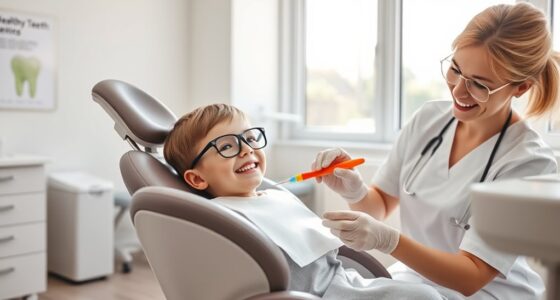
As a parent, you should know that even baby teeth are vulnerable during summer sports, and protecting them is key to your child’s long-term oral health. Using properly fitted mouthguards reduces the risk of injuries like chips or knocked-out teeth. Encouraging regular dental check-ups and setting a good example can help your child stay safe and confident while playing. To discover how you can best safeguard those precious baby teeth, keep going for helpful tips you won’t want to miss.

Turn the school run and nap time into listening time
- Thousands of audiobooks, podcasts and originals
- Listen on your phone, tablet or Echo — also offline
- Cancel anytime
Key Takeaways
- Baby teeth are essential for proper speech, chewing, and guiding adult teeth; protect them during summer sports.
- Use properly fitted or custom mouthguards to prevent dental injuries in contact or outdoor sports.
- Regular dental check-ups before sports season help identify and address potential vulnerabilities.
- Even temporary baby teeth can be injured, leading to pain, infections, or misaligned adult teeth if left unmanaged.
- Setting a safety example and emphasizing oral protection encourages children to wear mouthguards consistently.
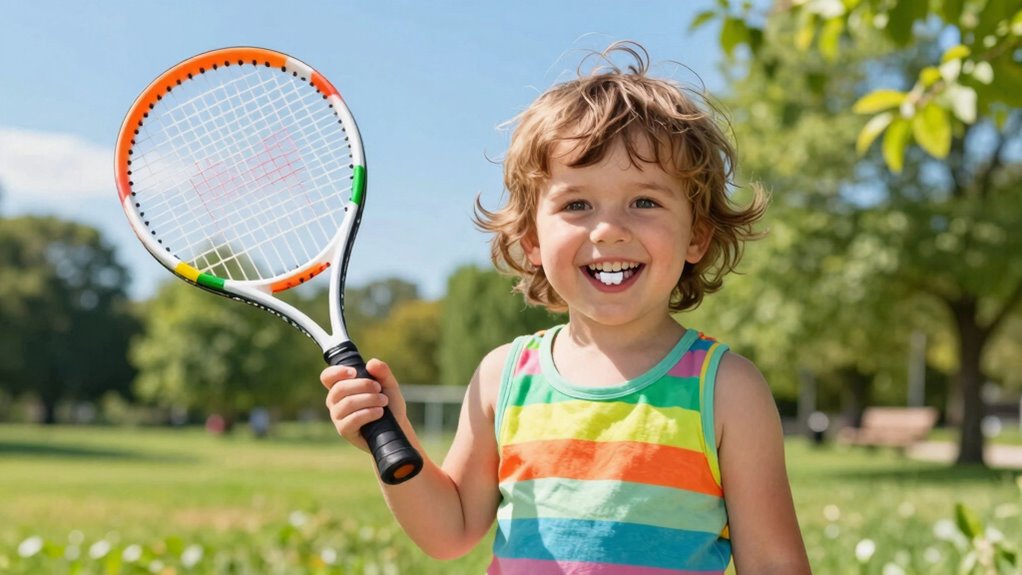
As summer approaches and your child gears up for outdoor sports, it’s important to remember that their baby teeth play a key role in their oral health and development. Even though these teeth are temporary, they serve as placeholders for adult teeth, aid in proper speech development, and help your child chew comfortably. Protecting these teeth during active outdoor play is essential, especially because sports can increase the risk of dental trauma—a common concern among parents. Dental injuries can range from minor chips to knocked-out teeth, and while some injuries are unavoidable, many can be prevented with proper precautions.
One of the most effective ways to safeguard your child’s smile is by emphasizing mouthguards safety. Custom-fitted mouthguards, created by your dentist, offer the best protection because they fit snugly and stay in place during play. Over-the-counter options are also available, but they might not provide the same level of coverage or comfort. No matter which kind you choose, making certain your child wears their mouthguard consistently during contact sports or activities with a risk of falling can dramatically reduce the chances of dental trauma. Remember, a knocked-out baby tooth may seem minor, but it can lead to more serious issues like misaligned adult teeth or infections if not properly managed.
Using a well-fitted mouthguard during sports can greatly reduce the risk of dental injuries in children.
Many parents overlook the importance of mouthguards because they think baby teeth are temporary and less at risk. However, even temporary teeth can be injured, and such trauma can cause pain, bleeding, or damage to surrounding tissues. In some cases, dental trauma can also impact your child’s confidence, making them hesitant to participate in sports. That’s why you should encourage your child to wear their mouthguard every time they’re involved in activities like soccer, basketball, or even skateboarding. It’s a simple preventive step that provides peace of mind and protects their developing smile. Additionally, understanding the importance of deep insights into dental health can help you make more informed safety choices for your child. Being aware of the protective measures available can empower you to take proactive steps in safeguarding their oral well-being.
You also want to set a good example by taking oral safety seriously. Talk to your child about the importance of mouthguards and make sure they understand they’re not just a nuisance but a crucial safety tool. Regular dental check-ups before summer sports season begin can help identify any existing dental issues and guarantee your child’s mouthguard fits properly. Being proactive about dental health can also help prevent dental injuries that might otherwise go unnoticed until more significant problems arise. Moreover, staying informed about dental trauma management can prepare you to respond effectively if an injury occurs. By prioritizing mouthguards safety and preventing dental trauma, you’re not only protecting their teeth but also helping them enjoy summer sports without worry. Ultimately, keeping their baby teeth safe now supports their long-term oral health and sets the foundation for a healthy, confident smile in the future.
children's custom fitted mouthguard
As an affiliate, we earn on qualifying purchases.
As an affiliate, we earn on qualifying purchases.
Frequently Asked Questions
When Should My Child Start Wearing a Mouthguard for Sports?
You should have your child start wearing a mouthguard as soon as they begin participating in contact or high-impact sports. Guarantee a proper mouthguard fit for maximum sports safety, as ill-fitting guards can be uncomfortable and less effective. Regularly check and replace the mouthguard to maintain protection. Prioritizing a well-fitting mouthguard helps prevent dental injuries and keeps your child’s smile safe during all their summer sports activities.
How Can I Prevent My Child’s Teeth From Injury During Swimming?
Imagine your child’s smile shining bright beneath the water. To prevent teeth injuries during swimming, prioritize swim safety and tooth protection. Make sure they wear a well-fitted mouthguard, especially if diving or jumping into the pool. Encourage them to avoid rough play underwater and stay alert. By supervising closely and emphasizing safety, you help keep their teeth safe, allowing them to enjoy swimming confidently and protect their precious smile from injury.
Are There Specific Foods That Help Strengthen Baby Teeth?
You can strengthen your child’s baby teeth through good dental nutrition and proper oral hygiene. Foods rich in calcium, like dairy products, leafy greens, and fortified foods, support strong tooth enamel. Additionally, vitamin D helps absorb calcium effectively. Encourage regular brushing and flossing to remove plaque. Limiting sugary snacks and drinks also protects against decay. Combining nutritious foods with excellent oral hygiene creates a strong foundation for healthy baby teeth.
What Are Signs of Dental Trauma After Summer Sports Activities?
Think of dental trauma like a sudden storm—unexpected but serious. After sports, look for signs like tooth discoloration, which may indicate internal damage, or gum injuries such as swelling or bleeding. If your child complains of persistent pain, or if a tooth feels loose or shifts, seek dental care promptly. These signs signal potential damage that needs professional attention to prevent long-term issues.
Should I Schedule a Dental Check-Up Before Summer Sports Begin?
Yes, you should schedule a dental check-up before summer sports start. Ensuring your child’s dental hygiene is in check helps prevent injuries and reduces the risk of dental trauma. A dentist can assess their oral health, offer teething remedies if needed, and provide tips for protecting their teeth during activities. This proactive step keeps your child safe and comfortable, so they can enjoy summer sports without worries about dental issues.
Conclusion
As summer heats up and your child dives into sports, remember that those tiny teeth need your attention too. Protecting them now can prevent surprises later—like unexpected injuries or dental issues that could impact their smile for years to come. So, are you prepared to take the right steps before summer ends? Don’t wait until it’s too late. Stay vigilant, stay informed, and keep those precious baby teeth safe—you never know what’s just around the corner.
Halloween Picks
halloween
As an affiliate, we earn on qualifying purchases.