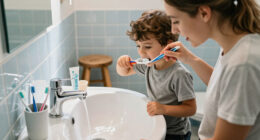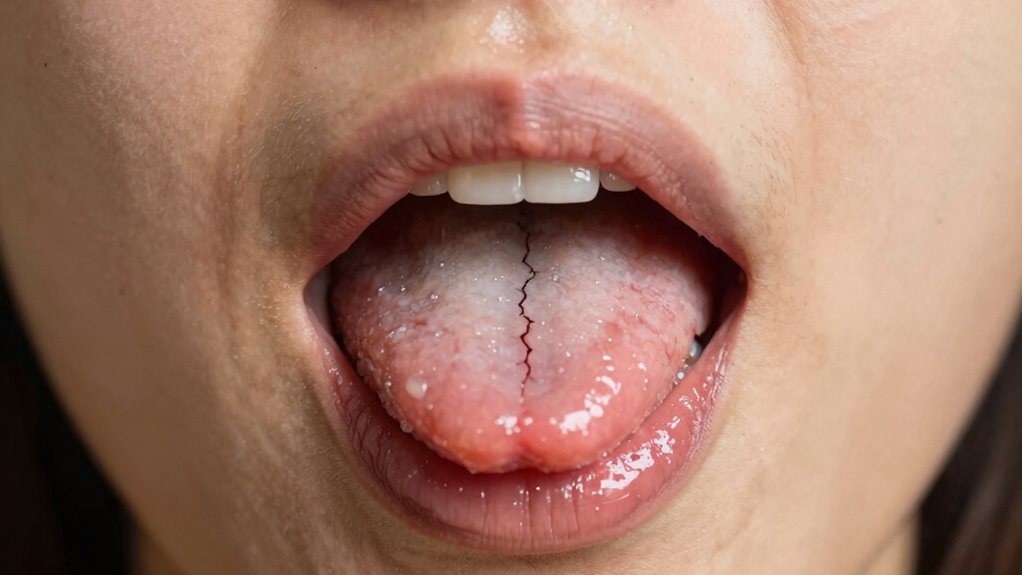

Dehydration can surprise you by causing dry mouth, making your lips and tongue less moist, and lowering saliva production. Without enough saliva, bacteria and plaque stick more easily, increasing your risk of cavities, tartar, and gum problems. It also makes tissues more sensitive and slower to heal, which can lead to longer-lasting discomfort. To see how dehydration impacts your oral health more deeply and ways to protect yourself, keep exploring the details.

Turn the school run and nap time into listening time
- Thousands of audiobooks, podcasts and originals
- Listen on your phone, tablet or Echo — also offline
- Cancel anytime
Key Takeaways
- Dehydration causes dry mouth, reducing saliva and increasing bacteria, bad breath, and cavity risk.
- It promotes plaque buildup and acidity, leading to enamel erosion and gum inflammation.
- Soft tissues become more sensitive and prone to cracking, delaying healing of oral injuries.
- Long-term dehydration weakens immune defenses, raising the risk of decay, gum disease, and infections.
- Proper hydration maintains saliva flow and pH balance, protecting teeth and supporting overall oral health.
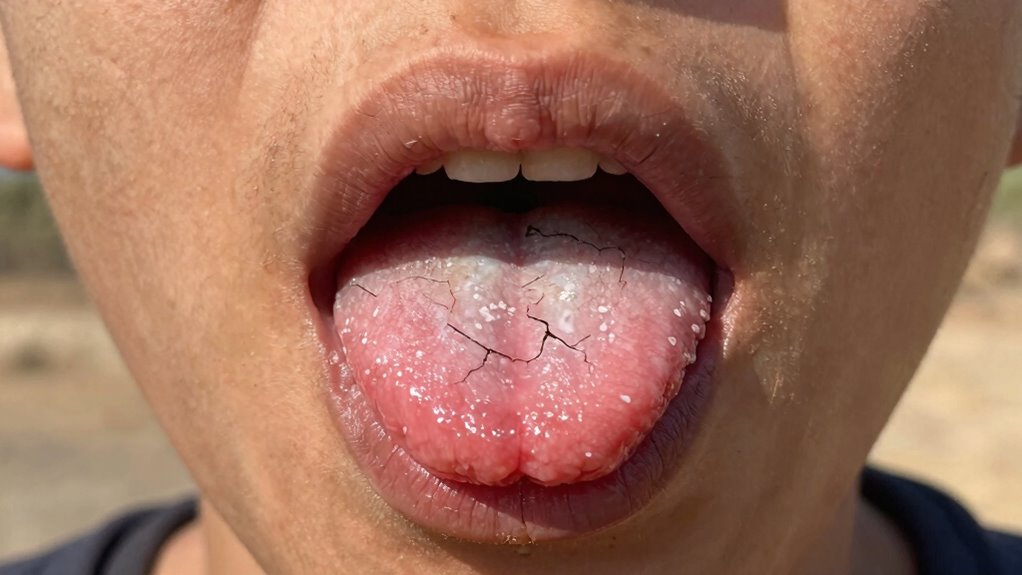
Have you ever wondered how dehydration affects your oral health? When your body loses too much water, your mouth feels dry, and you might notice that your tongue and lips are less moist than usual. This mouth dryness isn’t just uncomfortable—it’s a sign that your saliva production has slowed down. Saliva acts as your mouth’s natural cleanser, washing away food particles and neutralizing acids that can cause tooth decay or gum disease. When you’re dehydrated, less saliva flows, leaving your mouth vulnerable to bacteria buildup, bad breath, and even cavities. You might find yourself needing to sip water more often or chew sugar-free gum to stimulate saliva, but the root issue remains: your body isn’t producing enough moisture to keep your mouth healthy.
Dehydration can subtly affect your oral health long before you realize it. As saliva diminishes, plaque can stick more easily to your teeth, increasing your risk of tartar buildup. This sticky film harbors bacteria that produce acids, attacking your enamel and leading to cavities. Without adequate saliva, your mouth also has trouble balancing the pH levels, making it more acidic and creating a perfect environment for bacteria to thrive. Over time, this can result in gum inflammation, redness, and bleeding—early signs of gingivitis. The discomfort from mouth dryness might also cause you to avoid brushing or flossing thoroughly, further exacerbating oral health issues.
Another way dehydration impacts your oral health is through increased sensitivity. When your tissues are dry and less lubricated, you may experience heightened sensitivity to hot, cold, or sweet foods. This sensitivity occurs because dehydration causes the soft tissues inside your mouth to become less resilient and more prone to cracking or irritation. Furthermore, mouth dryness can make it difficult for your mouth to heal after minor injuries or sores, prolonging discomfort and increasing infection risk.
Dehydration doesn’t just affect your mouth temporarily; it can set off a chain reaction that worsens your oral health over time. Your body’s natural defenses weaken when it’s dehydrated, and your mouth’s ability to fight off bacteria diminishes. This makes you more susceptible to persistent bad breath, decay, and gum disease. Staying well-hydrated is key—not only for your overall health but also for maintaining the essential saliva production that protects your teeth and gums. So, the next time you notice your mouth feels dry, remember it’s more than just thirst—it’s a sign that your oral health needs some extra attention.
As an affiliate, we earn on qualifying purchases.
Frequently Asked Questions
Can Dehydration Cause Bad Breath?
Yes, dehydration can cause bad breath because it reduces oral moisture, leading to a dry mouth. When you’re dehydrated, saliva production drops, which hampers its natural ability to wash away bacteria and food particles. This creates an environment where odor-causing bacteria thrive. Prioritizing hydration importance helps maintain oral moisture, keeps your mouth fresh, and reduces bad breath. Drinking enough water is essential for overall oral health and fresh breath.
How Does Dehydration Affect Saliva Production?
Dehydration reduces saliva production, making your saliva less consistent and more viscous. This impacts oral tissue hydration, leaving your mouth dry and increasing the risk of discomfort, cavities, and infections. When you’re dehydrated, your body produces less saliva, which normally helps wash away bacteria and neutralize acids. To keep your oral tissue properly hydrated, drink plenty of water, especially if you notice dryness or a change in saliva consistency.
Are Dry Mouth Symptoms Always Linked to Dehydration?
Sometimes, dry mouth symptoms aren’t just about dehydration. While poor hydration habits often cause dry mouth, other factors like medications, health conditions, or stress can also play a role. You might notice changes in saliva consistency even if you’re drinking enough water. As a result, it’s essential to take into account all potential causes, not just hydration habits, to properly address dry mouth and maintain oral health.
Can Dehydration Lead to Oral Infections?
Yes, dehydration can lead to oral infections, including gum disease and oral ulcers dehydration. When you’re dehydrated, your saliva production drops, reducing your mouth’s ability to wash away bacteria and food particles. This creates a perfect environment for bacteria to thrive, increasing the risk of infections like gum disease. Additionally, dehydration can cause oral ulcers dehydration, making your mouth more vulnerable to sores and discomfort.
What Are Early Signs of Dehydration in Oral Health?
Think of your mouth as a desert that needs constant rain. Early signs of dehydration include dry mouth, cracked lips, and a sticky feeling on your tongue. These symptoms highlight the importance of hydration and maintaining oral moisture. When you neglect hydration, your mouth struggles to stay lubricated, increasing the risk of discomfort and oral health issues. Drinking water regularly keeps your mouth moist and helps prevent these early warning signs.
Conclusion
Even if you think you’re drinking enough water, dehydration can still sneak up on your oral health. It’s easy to overlook how dry mouth, bad breath, and cavities can stem from dehydration, not just poor hygiene. Staying consistently hydrated isn’t just about thirst; it’s about protecting your teeth and gums from hidden damage. So, keep sipping water regularly—your mouth will thank you for it, and your smile will stay bright and healthy.
Halloween Picks
halloween
As an affiliate, we earn on qualifying purchases.