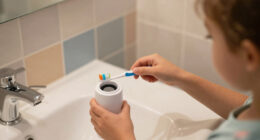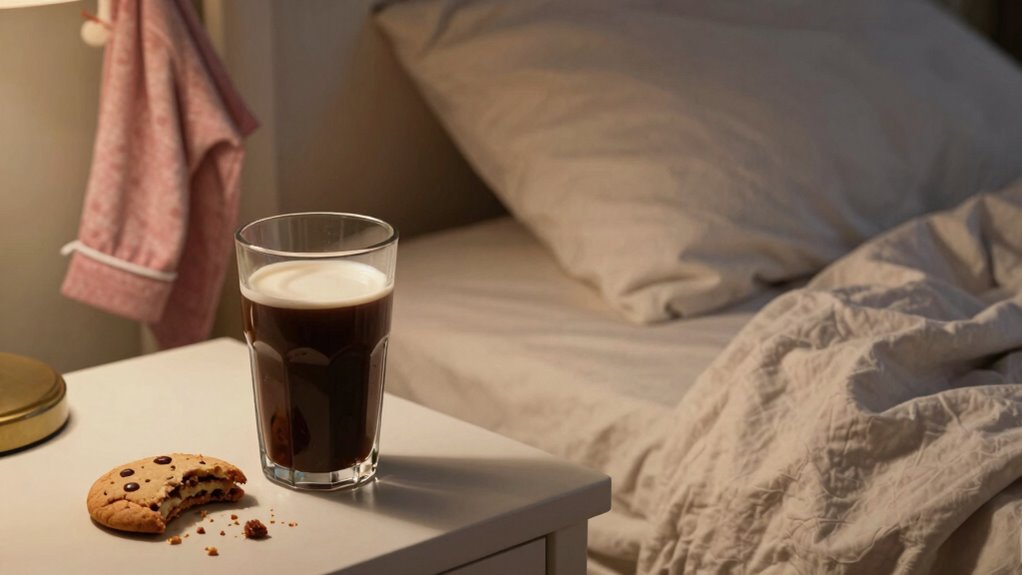

Dentists wish families would rethink snacking right before bed, especially sugary or acidic foods that can cause cavities and enamel erosion overnight. When you eat these snacks close to bedtime, leftover food and acids stay on your teeth longer, feeding bacteria and increasing damage. Rinsing with water and choosing healthier options like fruits, nuts, or cheese can protect your smile. Keep going to discover simple tips to improve your nighttime habits and keep your teeth healthy.

Turn the school run and nap time into listening time
- Thousands of audiobooks, podcasts and originals
- Listen on your phone, tablet or Echo — also offline
- Cancel anytime
Key Takeaways
- Avoid sugary and acidic snacks before bed to prevent cavities and enamel erosion.
- Rinse with water after nighttime snacking to reduce food residue and bacterial growth.
- Choose healthier options like fruits, nuts, or cheese instead of sticky or processed snacks.
- Brushing teeth after snacking is ideal; if not possible, thorough rinsing helps protect enamel.
- Limit late-night snacking altogether to reduce long-term dental health risks.
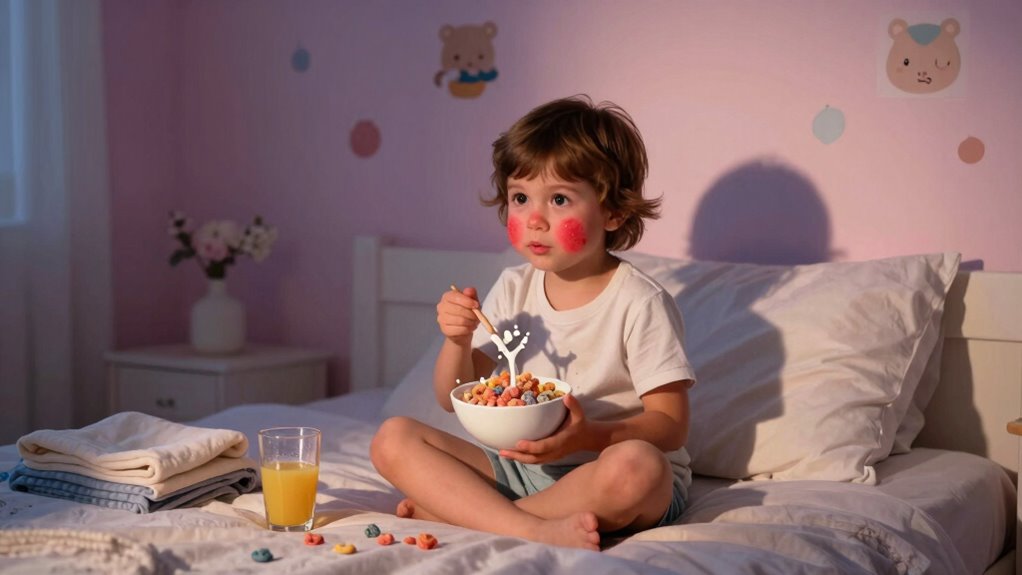
Many experts now suggest rethinking your bedtime snack habits, as what you eat before sleep can considerably impact your sleep quality and overall health. But beyond the effects on rest and wellness, your choice of late-night snack also plays a significant role in your dental health impacts. Dentists often see the consequences of poor snack choices, such as tooth decay and enamel erosion, especially when sugary or acidic foods are consumed right before bed. This habit can lead to cavities and gum problems over time, making it essential to choose healthier options that support oral health.
Rethink your bedtime snacks to protect your dental health and prevent cavities and enamel erosion.
Instead of reaching for candy, cookies, or sugary drinks, consider healthy snack alternatives that are gentle on your teeth. Fresh fruits like apples or berries are better options because they contain natural sugars and fiber, which stimulate saliva production. Saliva acts as a natural cleanser, helping wash away food particles and neutralize acids that cause tooth decay. Additionally, nuts and cheese are excellent choices; they are rich in calcium and phosphates, which help strengthen tooth enamel and maintain oral pH balance. Incorporating these snacks into your nightly routine can reduce the risk of dental health impacts associated with traditional sugary treats.
Another important aspect to contemplate is the timing of your snack. Eating close to bedtime increases the chances of food residues lingering on your teeth throughout the night, providing bacteria with a feast that produces acids damaging your enamel. If you must snack late, opt for options that are low in sugar and acid, and rinse your mouth with water afterward to help clear away any lingering particles. Rinsing with water can also help wash away dental plaque** and reduce bacterial growth. Making mindful choices about acidic foods can further protect your teeth from erosion. Choosing snacks that are less likely to stick to your teeth can further minimize the risk of tooth decay. Additionally, being mindful of snack timing can help prevent prolonged exposure of your teeth to harmful substances. Brushing your teeth after your snack is ideal, but if that’s not possible, at least rinsing thoroughly can make a difference. This helps minimize the buildup of plaque and reduces the potential for cavities and gum issues caused by nightly snacking. Being aware of dental health risks** associated with late-night eating can motivate better habits.
Dentists wish families would rethink their late-night eating habits because small changes can have a lasting impact on oral health. Choosing healthy snack alternatives and practicing good oral hygiene routines can greatly decrease the likelihood of dental problems down the line. Remember, your teeth are constantly exposed to what you eat, especially when you sleep, so making smarter choices at bedtime isn’t just about your overall health—it’s about protecting your smile for years to come. By being mindful of your snack choices and timing, you can enjoy satisfying, nutritious bites without compromising your dental health.
As an affiliate, we earn on qualifying purchases.
Frequently Asked Questions
How Does Late-Night Snacking Affect Overall Oral Health?
Late-night snacking can harm your oral health by increasing sugar intake, which feeds harmful bacteria in your mouth. This bacteria produces acids that erode tooth enamel, leading to tooth decay. When you snack before bed, saliva production decreases, reducing your mouth’s ability to wash away sugars and acids. To protect your teeth, avoid sugary snacks at night and brush thoroughly before sleeping.
Are There Healthier Snack Alternatives for Bedtime?
You can choose healthier alternatives for bedtime by opting for snacks that are low in sugar and don’t stick to your teeth, like fresh fruit, vegetables, or cheese. Focus on snack timing by eating at least an hour before bed, giving your mouth time to clear. These healthy alternatives and proper snack timing help reduce the risk of cavities and promote better oral health overall.
What Signs Indicate a Bedtime Snack Is Harming Dental Health?
If your bedtime snack is harming your dental health, you’ll notice increased tooth sensitivity, persistent toothaches, or visible signs of decay. Excessive sugar consumption feeds bacteria that produce acids, leading to acid erosion on your enamel. You might also see white spots or discoloration. These signs indicate that your nighttime snack could be damaging your teeth, so consider choosing healthier options and brushing thoroughly before bed to protect your smile.
How Can Parents Encourage Better Evening Eating Habits?
You can encourage better evening eating habits by establishing consistent sleep routines that limit late-night snacking, as 70% of parents say their kids snack before bed. Incorporate healthy family traditions, like sharing a nutritious snack together or brushing teeth afterward, to reinforce good habits. Make mealtime enjoyable and set clear boundaries around evening eating, helping your children develop lifelong routines that support both oral health and quality sleep.
Does Skipping Bedtime Snacks Improve Dental Hygiene Significantly?
Skipping bedtime snacks can markedly improve your child’s dental hygiene by reducing exposure to sugary and starchy foods that feed harmful bacteria. This change positively impacts their overall dietary habits, decreasing plaque buildup and cavities. When you eliminate these late-night treats, you promote better oral hygiene, making it easier for your child to maintain healthy teeth. It’s an effective step toward lifelong dental health and better eating routines.
Conclusion
So, before you reach for that bedtime snack, remember it’s not just about satisfying your hunger. Dentists wish families would rethink this habit because it can do more harm than good. Don’t let it be the straw that breaks the camel’s back for your child’s dental health. Sometimes, a small change now can save you a big headache later. After all, a stitch in time saves nine—taking care of teeth today keeps problems at bay tomorrow.
Fall Picks
fall essentials
As an affiliate, we earn on qualifying purchases.