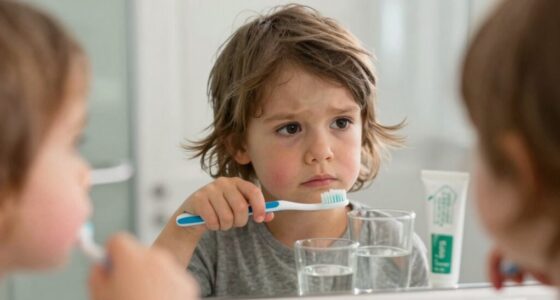
In winter, breathing through your mouth during sleep can harm your dental health by causing louder snoring and increasing bacterial buildup due to dry mouth. Cold air and congestion make it easier to breathe through your mouth, which can lead to cavities, gum issues, and misaligned teeth over time. If you keep mouth breathing, it may also affect jaw muscles and joint health. Continue exploring to discover simple ways to protect your smile this season.

Turn the school run and nap time into listening time
- Thousands of audiobooks, podcasts and originals
- Listen on your phone, tablet or Echo — also offline
- Cancel anytime
Key Takeaways
- Winter dry air promotes mouth breathing, increasing oral dryness and bacterial buildup, which raise the risk of cavities and gum disease.
- Mouth breathing during sleep worsens snoring and disrupts breathing patterns, contributing to poor sleep quality and potential jaw misalignment.
- Cold, dry conditions exacerbate nasal congestion, prompting more mouth breathing and further drying oral tissues.
- Persistent mouth opening in winter can weaken jaw muscles and lead to dental malocclusions or joint discomfort.
- Using humidifiers and nasal aids in winter helps maintain nasal moisture, reducing mouth breathing and protecting dental health.

Breathing through your mouth while sleeping can considerably impact your dental health. When you breathe through your mouth instead of your nose, it changes the way your mouth functions overnight. One of the first signs you might notice is altered snoring patterns. Mouth breathing tends to cause louder, more persistent snoring because air bypasses the nasal passages and moves directly through the mouth and throat. This increased airflow can lead to vibrations of the soft tissues, making your snoring sound more pronounced and disruptive. Over time, these snoring patterns can become habitual, making it harder to breathe through your nose naturally during sleep.
Mouth breathing during sleep can cause louder snoring and disrupt restful breathing.
Mouth breathing affects your oral environment in several detrimental ways. For starters, it dries out your mouth, which reduces saliva production. Saliva plays a *vital* role in neutralizing acids, washing away bacteria, and maintaining the balance of bacteria in your mouth. When your mouth is dry because of mouth breathing, bacteria and acids can accumulate more easily, leading to increased plaque formation and a higher risk of cavities and gum disease. This dryness also causes bad breath, which can persist even after waking up.
In winter, the problem can worsen. Cold air tends to dry out your nasal passages, encouraging you to breathe through your mouth more often. If your nose is blocked due to congestion from colds, allergies, or dry winter air, mouth breathing becomes even more prominent during sleep. The combination of cold, dry air and habitual mouth breathing exacerbates oral dryness, which means your teeth and gums are exposed to harmful bacteria and acids for longer periods. This increases your vulnerability to tooth decay and periodontal issues.
Furthermore, mouth breathing during sleep can alter your jaw alignment and cause dental malocclusions over time. The constant position of your mouth open while sleeping can weaken the muscles that support your jaw, potentially leading to misalignment. This not only affects your dental health but can also cause discomfort or pain in the jaw joint.
To mitigate these effects, it’s essential to recognize and address mouth breathing and snoring patterns early. Using humidifiers in winter can help keep your nasal passages moist, reducing the urge to breathe through your mouth. Nasal strips or decongestants may assist in opening nasal airways. If snoring or mouth breathing persists, consulting a healthcare professional or dentist is advisable to identify underlying causes, such as sleep apnea or allergies, and to develop effective treatment strategies. Additionally, addressing underlying airway obstructions can significantly improve both sleep quality and dental health. Taking these steps can help protect your dental health throughout the winter months and beyond.
Products Worth Considering
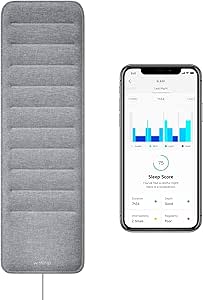
Withings Sleep Under-Mattress Sleep Tracking Pad

Hyperice Hypervolt 3 Percussion Massage Gun with Heated Head and Premium Carry Case

Hyperice Hypervolt Go 3 Percussion Massage Gun with Carry Case
As an affiliate, we earn on qualifying purchases.
Frequently Asked Questions
Can Sleep Breathing Issues Cause Long-Term Dental Damage?
Yes, sleep breathing issues like sleep apnea can cause long-term dental damage. When you experience sleep apnea, you might breathe through your mouth more often, leading to dry mouth and increased risk of dental erosion. Over time, this can weaken your teeth and cause damage. Additionally, the grinding associated with sleep apnea can wear down enamel, making your teeth more vulnerable to decay and other dental problems.
Do Certain Winter Conditions Worsen Sleep Breathing Problems?
Yes, winter conditions can worsen your sleep breathing problems. Heated air from indoor heaters dries out your nasal passages, making it harder to breathe through your nose. Cold air exposure outdoors can cause your airways to constrict, increasing snoring and breathing difficulties. These factors can lead to disrupted sleep, which may impact your dental health by promoting dry mouth and bacterial growth. To help, use humidifiers indoors and cover your face outdoors.
How Does Dry Winter Air Affect Oral Health During Sleep?
Dry winter air causes mouth dryness, which can lead to increased bacteria growth and tooth decay while you sleep. Low humidity levels make your saliva less effective at washing away food particles and neutralizing acids, raising the risk of cavities and gum issues. To protect your dental health, stay hydrated, use a humidifier, and consider applying a fluoride rinse before bed to keep your mouth moist and healthy during winter.
Are There Specific Dental Treatments for Sleep-Related Breathing Issues?
If you struggle with sleep apnea, your dentist might suggest an oral appliance to improve your breathing. For example, a patient with mild sleep apnea found relief with a custom-fitted oral appliance that keeps their airway open during sleep. These devices are specifically designed for sleep-related breathing issues, offering a non-invasive solution that can markedly improve both sleep quality and dental health.
Does Nasal Congestion From Winter Colds Impact Sleep Breathing Quality?
Nasal congestion from winter colds definitely impacts your sleep breathing quality. When your nasal passages are blocked, you tend to breathe through your mouth, which can cause dry mouth and increase the risk of dental issues. This disruption may also lead to snoring or sleep apnea, affecting your overall sleep quality. To improve breathing, try using saline sprays, humidifiers, or nasal strips to clear congestion and promote better airflow during sleep.
Conclusion
As you reflect on winter’s chill, remember that your sleep breathing patterns are like the silent whispers of the moon guiding the tides. Just as the moon influences the ocean, your breathing influences your dental health—shaping your smile’s future. Pay attention to how you breathe at night, especially in winter’s darkness, for neglect now could echo like Pandora’s box, releasing unseen issues. Stay mindful, and safeguard your smile against winter’s silent threats.