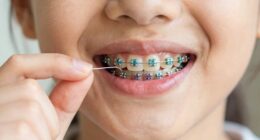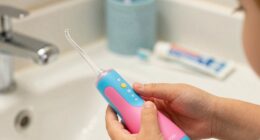
Seasonal depression can make it harder for you to stay consistent with your oral health. When you’re feeling down or low energy, brushing, flossing, and visiting the dentist often get skipped. Reduced sunlight affects mood and motivation, leading to neglect of your dental routines and vitamin D deficiency, which can harm your teeth and gums. Recognizing these effects helps you understand the importance of maintaining habits year-round—stick around to learn simple ways to keep your smile healthy all season.
Key Takeaways
- Seasonal depression decreases motivation for regular oral hygiene routines, increasing risk of cavities and gum disease.
- Reduced sunlight during seasonal depression can cause vitamin D deficiency, weakening teeth and oral tissues.
- Mood decline associated with seasonal affective disorder leads to neglect of dental visits and oral health warning signs.
- Lower serotonin levels during seasonal depression can diminish the desire to maintain consistent oral care habits.
- Behavioral neglect of dental routines in darker months exacerbates existing oral health issues over time.

Have you ever noticed your oral health slipping during certain times of the year? If so, you’re not alone. Seasonal Affective Disorder (SAD) can considerably influence your daily routines, including how well you care for your teeth and gums. When the days grow shorter and sunlight diminishes, your motivation to stick to consistent dental hygiene routines often wanes. Brushing and flossing might become less frequent, or you might skip them altogether during these gloomy months. This decline isn’t just about habits; it’s also affected by biological factors tied to reduced sunlight exposure. For example, lower sunlight levels can lead to vitamin D deficiency, which directly impacts your oral health. Vitamin D plays an essential role in calcium absorption and maintaining healthy teeth and bones. Without enough of it, your teeth become more vulnerable to decay and gum disease. Additionally, vitamin D influences your oral microbiome—the community of bacteria residing in your mouth. When this balance is disrupted, harmful bacteria can flourish, increasing the risk of cavities and periodontal issues. Research shows that vitamin D deficiency is linked to increased susceptibility to dental infections and inflammation.
During darker months, the decreased sunlight also affects your body’s production of serotonin, which is linked to mood regulation and overall well-being. This drop can make you feel less motivated to maintain good oral hygiene routines, creating a cycle of neglect that can harm your oral health over time. You might notice that your gums bleed more easily or that cavities seem to develop faster. The connection between seasonal depression and oral health isn’t just coincidence; it’s rooted in how biological and behavioral factors intertwine. When you’re feeling down or overwhelmed by seasonal mood changes, you might also neglect regular dental visits or ignore warning signs like gum bleeding or tooth sensitivity. These behaviors, compounded over time, can lead to more serious dental issues that become harder to treat.
Being aware of this link gives you an advantage. You can take proactive steps, like setting reminders for brushing and flossing, even when your motivation dips. Considering vitamin D supplements or spending a bit more time outdoors during daylight hours can help counteract deficiencies and support your oral microbiome. Maintaining regular dental check-ups becomes even more essential in these months to catch problems early. By understanding how Seasonal Affective Disorder impacts your oral health, you empower yourself to stay on top of your dental hygiene routines, despite the seasonal challenges. Taking small, consistent actions can make a big difference in protecting your teeth and gums during the darker, less sunny parts of the year.
Frequently Asked Questions
How Does Seasonal Depression Influence Dental Anxiety?
Seasonal depression can heighten your dental anxiety by causing mood fluctuations that make you feel more overwhelmed or fearful of dental visits. When you’re experiencing low moods, you might avoid appointments altogether, fearing discomfort or judgment. These feelings can create a cycle where anxiety worsens, making it harder to seek necessary dental care. Recognizing this link helps you understand why seasonal depression impacts your dental confidence and motivates you to find support.
Are There Specific Oral Health Issues Linked to Seasonal Affective Disorder?
You might notice more cavities or gum issues during seasonal mood changes, as depression can lead to dietary habits variations like increased sugar intake and neglecting oral hygiene. These mood shifts often cause you to skip brushing or flossing, worsening oral health. The combination of seasonal affective disorder and poor habits creates a cycle that heightens the risk of dental problems, making it essential to stay vigilant and maintain regular oral care routines.
Can Seasonal Depression Affect the Healing Process After Dental Procedures?
Yes, seasonal depression can affect your healing after dental procedures. Mood fluctuations and motivation decline may lead you to neglect proper oral care, slowing healing. Reduced motivation can cause missed follow-up appointments or inconsistent oral hygiene, while mood swings might increase stress, impairing immune response. To support healing, stay committed to your dentist’s instructions, maintain good oral hygiene, and seek support if mood fluctuations become overwhelming.
What Are the Best Oral Care Routines During Seasonal Depression?
During seasonal depression, you should prioritize consistent oral care routines to maintain your health. Brushing twice daily with fluoride toothpaste and scheduling regular fluoride applications can strengthen your teeth. Be mindful of sugar intake, as cravings often increase during darker months, which can harm your enamel. Remember, maintaining these habits boosts your oral health, especially when you might feel less motivated. Nearly 90% of people see improvements with simple, dedicated routines.
Does Seasonal Depression Increase the Risk of Gum Disease?
Yes, seasonal depression can increase your risk of gum disease. Mood fluctuations often lead to neglecting oral hygiene routines, like brushing and flossing regularly. When you skip or rush these habits, plaque builds up, raising your chances of gum infection. Staying consistent with your oral care, even during low mood periods, helps protect your gums and overall oral health. Don’t let seasonal depression cause your oral health to suffer.
Conclusion
If you ignore seasonal depression, your oral health could totally spiral out of control—think cavities multiplying like wildfire and gums turning into a battlefield. Don’t let the darkness win; stay vigilant with your brushing, flossing, and dental visits. Remember, neglecting your mouth during these gloomy months could lead to a dental disaster so epic, it might even scare off the tooth fairy forever. Fight back now, or face the chaos later!