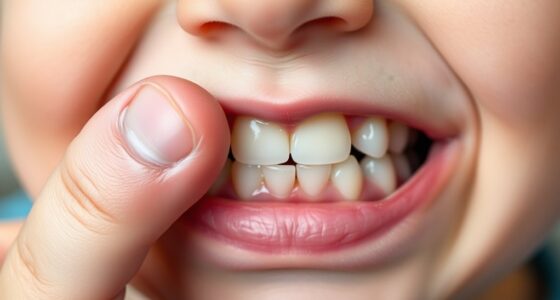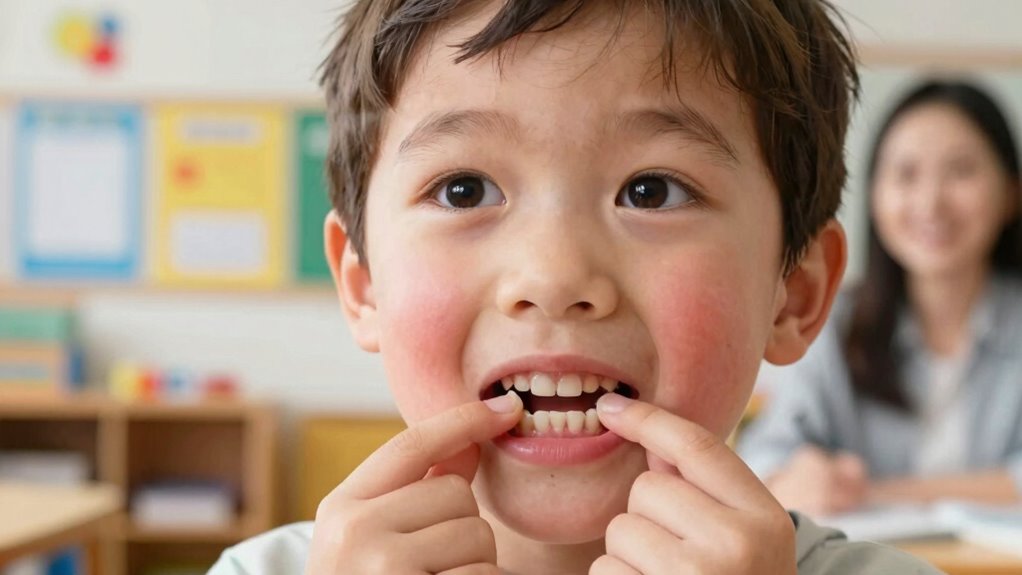

If you notice a loose tooth at school, stay calm and gently inform a teacher or nurse for assistance. Keep the tooth safe in a tissue or small container, and avoid touching or forcing it out. Encourage soft foods and rinsing with warm water once it falls out. Remember, losing a tooth is normal during growth, and handling it calmly helps prevent panic. If you want to learn more about managing these moments effectively, keep going.

Turn the school run and nap time into listening time
- Thousands of audiobooks, podcasts and originals
- Listen on your phone, tablet or Echo — also offline
- Cancel anytime
Key Takeaways
- Stay calm and reassure the child that losing a tooth is normal and part of growing up.
- Gently secure the loose tooth in tissue or a small container until home.
- Avoid forcing or pulling the tooth; let it fall out naturally if possible.
- Discourage hard or sticky foods and suggest soft foods to reduce discomfort.
- Inform a teacher or school nurse discreetly if assistance or concern arises.
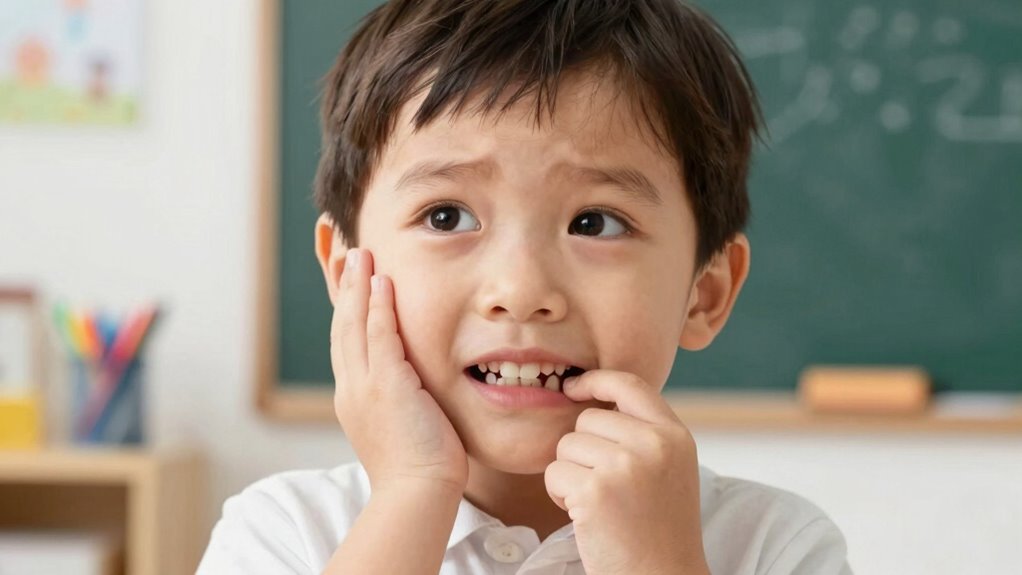
Getting a loose tooth at school can be unexpected and sometimes uncomfortable. You might feel a wobble when you bite down or notice a little gap forming in your smile. It’s natural to feel a bit worried or unsure about what to do next, but staying calm is the first step. Remember, many kids experience this and it’s a normal part of growing up. If you’re concerned, you can discreetly let your teacher know, and they’ll help you figure out what’s best. Meanwhile, keep in mind that tooth fairy traditions can make losing a tooth exciting. If you’re worried about losing your tooth during class, you might want to keep it safe in a tissue or a small pocket until you get home. Once you’re there, you can put the tooth under your pillow, following the tradition, and enjoy the magic of the tooth fairy visiting while you sleep.
In the meantime, it’s a good idea to have a dental emergency kit ready at school or in your backpack. These kits often include a soft cloth or tissue, some gauze, and a small container or plastic bag. Using a clean cloth, gently apply pressure if your tooth is bleeding. Don’t try to force the tooth out if it’s hanging by a thread; instead, let it fall out naturally. If it’s stubborn, you can ask a school nurse or your parent for advice on how to handle it. Avoid eating hard or sticky foods because they might worsen the situation or cause more pain. Instead, opt for soft foods until your tooth is fully out and your mouth feels comfortable again. Additionally, understanding tooth development can help you realize that losing a tooth is a normal part of growing up, and being informed about dental health can make you more prepared for this milestone. Knowing about mouth care can also help you keep your mouth healthy as your teeth change. Recognizing the signs of dental emergencies can help you react quickly and prevent complications if something unexpected happens. Learning about dental trauma can further prepare you to handle accidents involving your teeth safely.
When your tooth finally comes out, take care of the area by rinsing your mouth with warm water and avoiding touching the socket with your tongue. Keeping the area clean helps prevent infection. If you experience persistent bleeding or pain, it’s wise to seek advice from your dentist. Remember, losing a tooth is part of growing up, and it signals that your adult teeth are on their way. Staying calm, using your dental emergency kit, and following tooth fairy traditions make the process less stressful. Whether it’s in the classroom or at home, handling a loose tooth confidently ensures you’re prepared and comfortable during this milestone.
As an affiliate, we earn on qualifying purchases.
Frequently Asked Questions
When Should a Loose Tooth Be Pulled Professionally?
You should see a dentist to pull a loose tooth when it causes significant pain, shows signs of infection, or if dental anxiety makes you uneasy about handling it yourself. A professional can guarantee proper tooth stabilization and safe removal, minimizing discomfort and risk. Avoid pulling it yourself if it’s stubborn or bleeding heavily—trust a dentist’s expertise to handle the situation safely and effectively.
Are There Any Home Remedies to Tighten a Loose Tooth?
Some believe natural remedies can help tighten a loose tooth, but dental myths often suggest otherwise. You might try gentle saltwater rinses or soft foods to support oral health, but there’s no proven home remedy to actually tighten a loose tooth. Instead, focus on maintaining good oral hygiene and consult your dentist. Remember, the best approach is professional care, as home remedies can’t replace expert advice for tooth stability.
Can a Loose Tooth Affect Permanent Teeth?
A loose tooth can impact your permanent teeth if not managed properly. It might cause dental anxiety, especially if it worsens or leads to pain. To prevent issues, focus on tooth stabilization by avoiding hard foods and maintaining good oral hygiene. Seeing a dentist promptly can confirm your other teeth stay healthy and secure, reducing the risk of future problems and easing your concerns about dental health.
How Can Teachers Support Students With Loose Teeth?
Did you know that 80% of children experience a loose tooth by age 7? As a teacher, you can support students with loose teeth by encouraging gentle brushing and flossing, promoting good dental hygiene, and reassuring them that the Tooth Fairy visits often motivate kids to take care of their teeth. Be patient, offer comfort, and create a positive environment so students feel confident handling their loose tooth without panic.
What Signs Indicate a Loose Tooth Is Infected?
You’ll notice signs like increased pain, swelling, or redness around the loose tooth, which could indicate infection. If you see pus or foul taste, that’s a red flag. To prevent further issues, keep up with tooth brushing and mouth rinsing regularly, especially around the affected area. If symptoms worsen or persist, it’s important to visit a dentist promptly to avoid complications and make certain of proper care.
Conclusion
Remember, a loose tooth isn’t the end of the world—sometimes, it’s just a sign that change is on its way. Stay calm, follow these simple steps, and don’t forget that patience is a virtue. Keep in mind the saying, “This too shall pass,” because before you know it, your new smile will shine brighter than ever. With a little care and confidence, you’ll handle it like a pro!
Halloween Picks
halloween
As an affiliate, we earn on qualifying purchases.