Dry winter air can cause your mouth to feel worse in the mornings by reducing saliva production and causing nasal congestion, which forces you to breathe through your mouth. This dryness promotes bacteria growth, leading to bad breath and discomfort. Maintaining proper humidity levels, staying hydrated, and using moisturizing products can help. If these tips aren’t enough, you’ll find helpful strategies and products to improve your mouth feel as you explore further.
Key Takeaways
- Dry winter air reduces saliva production, leading to dry, sticky mornings and increased bad breath.
- Nasal congestion from dry air causes mouth breathing during sleep, worsening dryness and discomfort.
- Using humidifiers maintains indoor humidity around 40-50%, helping keep the mouth moist and fresh.
- Proper oral hygiene and hydration support saliva flow, reducing the impact of dry air on morning mouth.
- Persistent dry mouth may indicate underlying health issues; consulting a dentist is recommended.
Why Winter Dry Air Causes Morning Mouth Problems
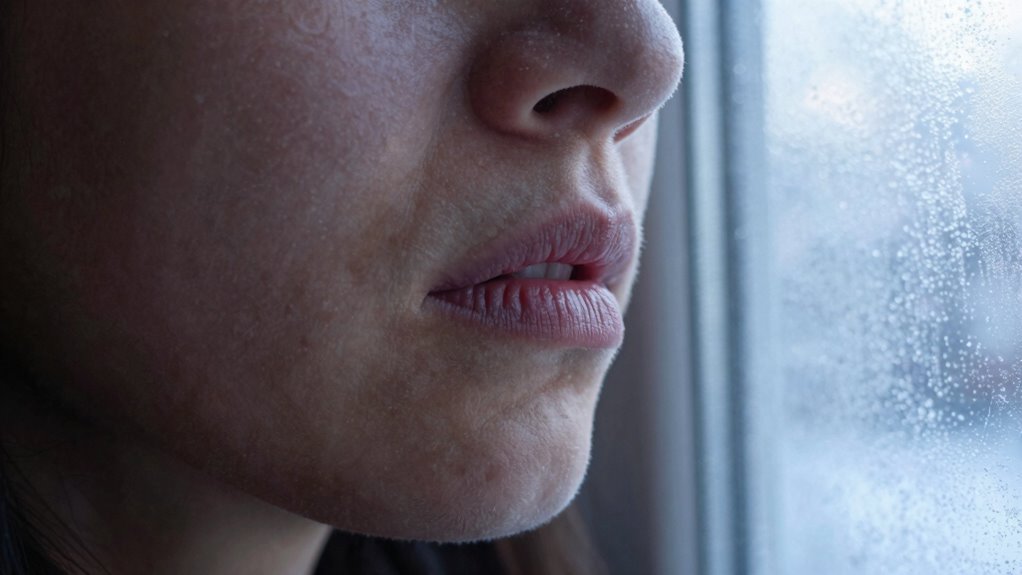
During winter, the air becomes drier, which can substantially impact your mouth overnight. This winter dehydration reduces saliva production, leaving your mouth dry and sticky when you wake up. Dry air also causes your nasal passages to become congested, forcing you to breathe through your mouth instead of your nose. Mouth breathing accelerates moisture loss, worsening morning mouth issues. Additionally, nasal congestion can limit airflow, making it harder to breathe comfortably and increasing the likelihood of dry mouth. The combination of low humidity and difficulty breathing through your nose creates a cycle that intensifies morning mouth problems. Because your body isn’t getting enough moisture, your mouth feels parched, cracked, and uncomfortable, making mornings particularly unpleasant during the cold winter months. To help mitigate these issues, maintaining a humidifier in your bedroom can help improve indoor air quality and reduce dryness overnight. Regularly using an air purifier maintenance can also help remove dust and allergens that may contribute to nasal congestion and dryness. Ensuring proper hydration throughout the day can also help combat winter dehydration and lessen morning mouth discomfort.
How to Keep Your Mouth Moisturized During Cold Months
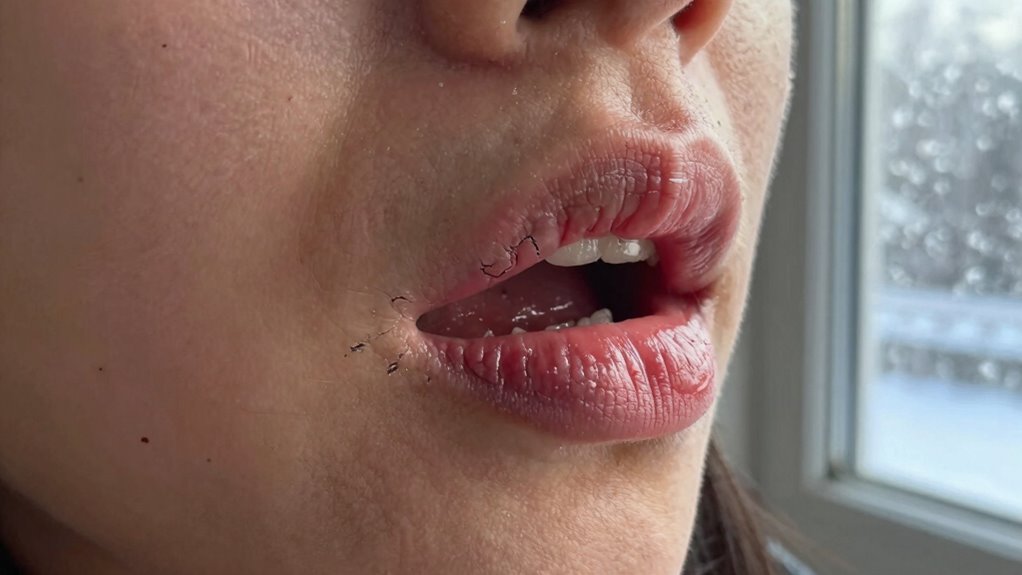
To keep your mouth moist during cold months, make sure to stay hydrated throughout the day. Using a humidifier indoors can also add moisture to the air and help prevent dryness. Additionally, practicing good oral hygiene keeps your mouth healthy and reduces discomfort caused by winter dryness. Incorporating moisturizing lip balms can further protect your lips from becoming chapped and dry. Staying mindful of cycling gear maintenance can also prevent discomfort from dry air while riding outdoors. Being aware of ethical consumer choices when selecting skincare products can help you avoid ingredients that may irritate sensitive skin or worsen dryness. Ensuring your skincare routines include products with hydrating ingredients can also make a significant difference during the winter months. Paying attention to air quality in your environment can further support your efforts to combat winter dryness.
Stay Hydrated Throughout Day
Have you noticed your mouth feeling dry more often when the weather turns cold? Staying hydrated throughout the day is crucial. Focus on hydration strategies like drinking water regularly, even if you don’t feel thirsty. Your beverage choices matter—opt for warm teas or water with a splash of lemon to boost moisture. Avoid caffeine and alcohol, which can dehydrate you further. To make it easier, try this simple table:
| Hydration Strategies | Beverage Choices | Tips |
|---|---|---|
| Drink consistently | Water, herbal tea | Keep a bottle nearby |
| Limit dehydrators | Caffeinated drinks | Skip excessive caffeine |
| Use flavored water | Lemon water | Add slices for flavor |
Use Humidifiers Indoors
When the cold winter air sneaks inside and dries out your environment, using a humidifier can make a noticeable difference in keeping your mouth moist. Regular humidifier maintenance is essential to guarantee it works effectively and safely. Clean the device weekly to prevent mold and bacteria buildup, which can worsen dry mouth and impact your winter skincare. Proper humidity levels—around 40-60%—help retain moisture in your mouth and skin, reducing morning dryness. Position the humidifier in your bedroom or living space for consistent benefits. Maintaining your humidifier not only improves oral comfort but also supports overall skin health during winter. Additionally, choosing the right air quality devices can enhance your comfort and relaxation during these months, making your indoor environment even more pleasant. Incorporating this simple step into your routine can help combat dryness and enhance your comfort during cold months.
Practice Good Oral Hygiene
Practicing good oral hygiene is vital for keeping your mouth moisturized during the cold months. Regular brushing and flossing help reduce oral bacteria, which can contribute to dry mouth and bad breath. When you remove harmful bacteria, your saliva production improves, keeping your mouth moist naturally. Using a fluoride toothpaste can also strengthen your teeth and protect against decay caused by dry air. Avoid mouthwashes with alcohol, as they can dry out your oral tissues further. Staying consistent with your oral hygiene routine guarantees your mouth stays healthier and more comfortable. Additionally, maintaining proper hydration and humidifying indoor air can significantly reduce dry mouth symptoms. Incorporating electric toothbrushes, like the KTM electric dirt bike, which are designed for efficiency and comfort, can enhance your brushing routine. Proper projector calibration ensures optimal contrast and color accuracy, which can enhance your overall viewing experience and reduce eye strain during long periods of use.
Quick Tips to Reduce Morning Bad Breath in Winter
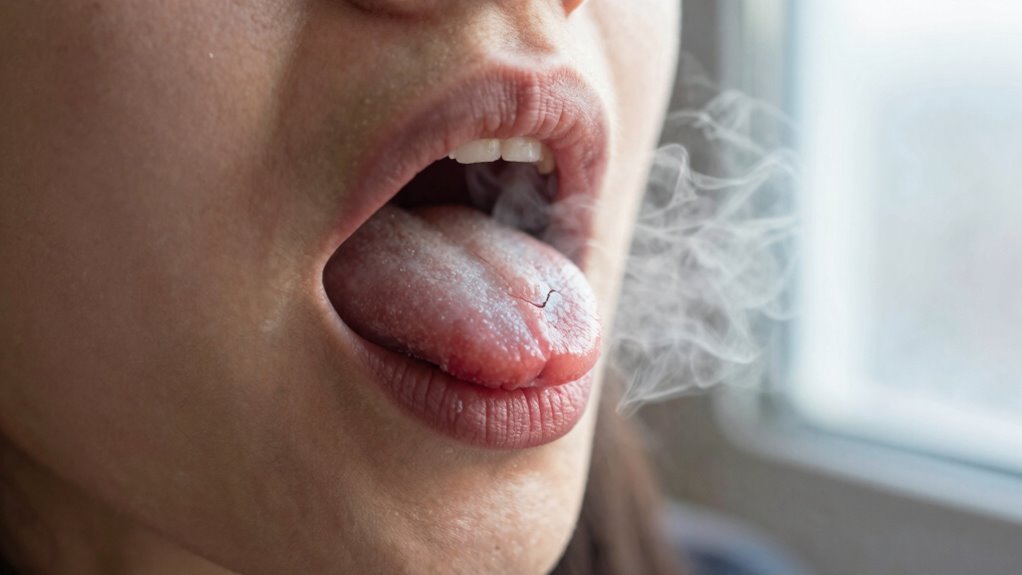
To cut down on morning bad breath in winter, start by staying hydrated all day to keep your mouth moist. Using a humidifier at night can also add moisture to the air, helping prevent dry mouth. Additionally, practicing good oral hygiene guarantees your mouth stays fresh and reduces bacteria that cause bad breath. Keeping your indoor air quality high by regularly ventilating your home can also help reduce odors and allergens that contribute to bad breath. Ensuring proper humidity control can further aid in maintaining a comfortable and healthy indoor environment. Incorporating air quality management can help minimize airborne contaminants that may worsen bad breath. Regularly cleaning your makeup brushes is also beneficial for overall hygiene, as it prevents bacteria buildup that could contribute to bad odors. Exploring ways to naturally enhance indoor air quality can further support a fresher morning breath experience.
Stay Hydrated Throughout Day
Staying well-hydrated throughout the day is one of the simplest yet most effective ways to combat morning bad breath during winter. Good hydration helps maintain saliva flow, which naturally washes away bacteria that cause bad odors. To maximize hydration, follow hydration tips like drinking water regularly and avoiding dehydrating beverages. When choosing beverages, opt for water or herbal teas instead of caffeinated drinks or alcohol, which can dry out your mouth further. Keep a water bottle nearby and sip frequently, especially if you’re indoors where dry air persists. Consistent hydration supports your oral health and keeps your mouth moist, reducing the chances of waking up with that unpleasant morning mouth feeling. Proper beverage choices make a noticeable difference in freshening your breath naturally. Additionally, managing dry winter air with a humidifier can help maintain oral moisture and further improve breath freshness. Staying aware of environmental factors like air humidity levels can help you take proactive steps to keep your mouth moist.
Use Humidifiers Regularly
Using humidifiers regularly can greatly enhance the moisture levels in your indoor air, which is vital during dry winter months. Proper humidifier safety is essential—keep devices clean to prevent mold and bacteria buildup, and follow manufacturer instructions. Maintaining ideal humidity (around 40-50%) helps keep your mouth moist, reducing morning bad breath caused by dry air. Additionally, a humidifier can improve your winter skincare by preventing dry, flaky skin. Be sure to place your humidifier away from bedding and furniture to avoid excess moisture buildup. Regular use can make a noticeable difference in how your mouth feels each morning, making breath freshening easier and more natural. Ensuring your safe environment is free from toxins supports your baby’s health and helps create a more comfortable space. Proper humidity levels are crucial for maintaining overall health during winter, as they influence your skin, respiratory health, and oral comfort. Monitoring indoor air quality and airborne contaminants can further enhance your comfort and health during the dry season. Effective home soundproofing techniques can also help create a quieter, more comfortable environment that supports better sleep and overall well-being. Stay attentive to device maintenance to guarantee safe, effective relief throughout the chilly season.
Practice Good Oral Hygiene
Maintaining good oral hygiene is one of the simplest yet most effective ways to combat morning bad breath during the dry winter months. When you brush and floss regularly, you remove oral bacteria that cause bad odors. This reduces the buildup of bacteria in your mouth, which thrive in dry conditions and can lead to foul smells. Additionally, good oral hygiene encourages salivary flow, which is essential because saliva naturally rinses away bacteria and food particles. If your salivary flow is insufficient, bacteria and debris linger longer, worsening morning breath. To maximize results, brush at least twice a day, floss daily, and consider using an antibacterial mouthwash. These habits help keep oral bacteria in check and support your mouth’s natural defenses against bad breath.
Top Products to Combat Dry Mouth This Winter
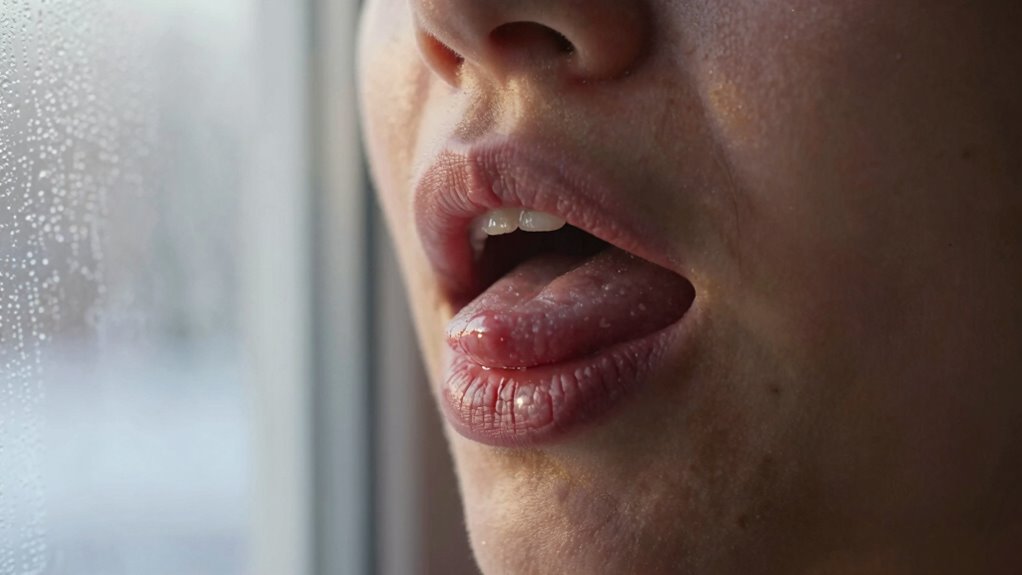
When winter’s dry air leaves your mouth feeling parched and uncomfortable, choosing the right products can make a significant difference. To boost saliva production and combat dryness, consider products like saliva substitutes, oral moisturizers, or sugar-free lozenges. These can provide immediate relief and support long-term comfort. If seasonal allergies worsen dryness, antihistamine-free options can help without reducing saliva. Using a humidifier adds moisture to the air, helping keep your mouth hydrated naturally.
| Product Type | Benefit | Best For |
|---|---|---|
| Saliva substitutes | Mimic natural saliva, soothe mouth | Severe dry mouth |
| Oral moisturizers | Provide lasting hydration | Chronic dryness |
| Sugar-free lozenges | Stimulate saliva, freshen breath | Quick relief |
Signs You Should See a Dentist for Persistent Morning Mouth
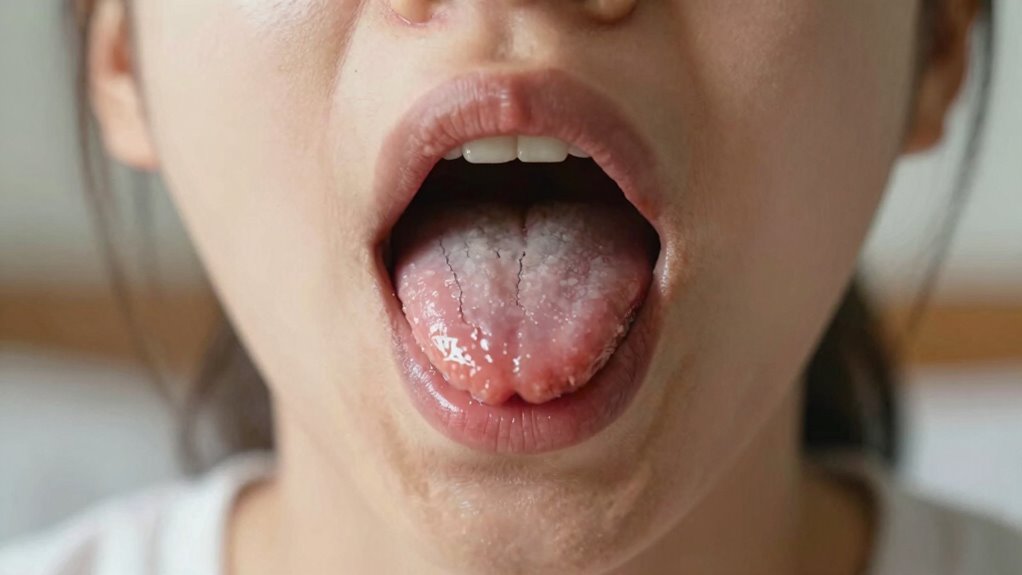
Persistent morning mouth can be more than just an annoyance; it may signal underlying health issues that require professional attention. If you notice your dry mouth persists despite using dry mouth remedies or improving your winter oral health, it’s time to see a dentist. Constant dryness can lead to tooth decay, gum disease, or infections that need prompt treatment. Watch for signs like persistent bad breath, a sore or irritated tongue, or difficulty swallowing. If your mouth feels consistently dry, especially in the morning, don’t delay seeking professional advice. A dentist can diagnose the cause and suggest effective solutions. Addressing these issues early can prevent more serious oral health problems and improve your overall comfort during winter.
When to Seek Professional Help for Dry Mouth Issues
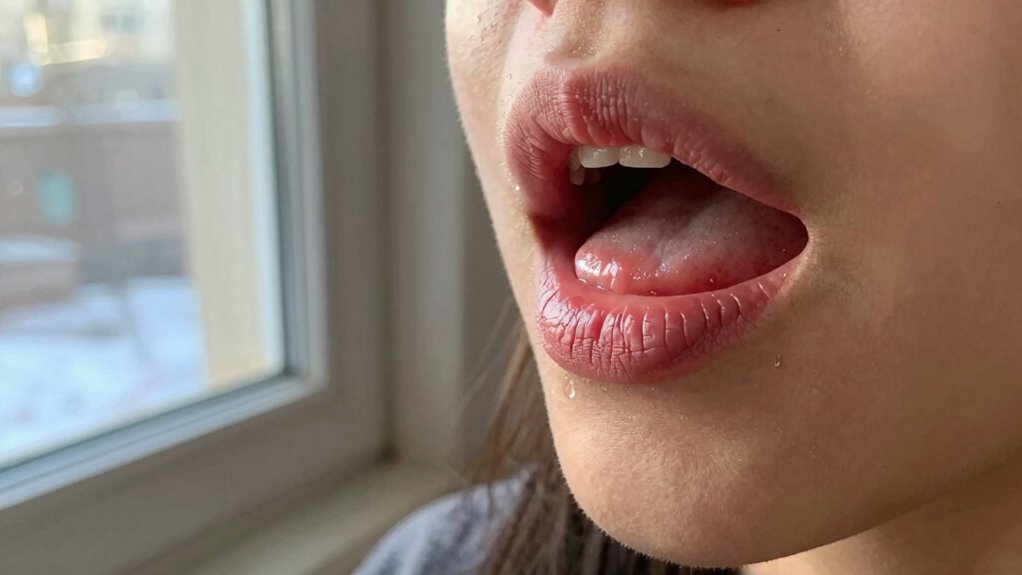
If your dry mouth continues despite trying home remedies and lifestyle changes, it’s a clear sign you should consult a dental professional. Persistent dryness can indicate issues with salivary gland health or ongoing oral mucosa irritation. A dentist can evaluate whether your salivary glands are functioning properly or if an underlying condition is causing decreased saliva production. They can also identify signs of oral mucosa damage that might worsen if left untreated. If you experience persistent dry mouth accompanied by pain, difficulty swallowing, or frequent infections, seek professional help promptly. Addressing these concerns early can prevent complications and ensure your mouth stays healthy. Don’t ignore ongoing symptoms—professional guidance is essential for proper diagnosis and effective treatment.
Frequently Asked Questions
Can Dehydration Worsen Dry Mouth Symptoms During Winter?
Yes, dehydration can worsen dry mouth symptoms during winter. When your hydration habits are poor, your mouth produces less saliva, making dryness more pronounced. Winter humidity often dries out the air, further stripping moisture from your mouth. To combat this, drink plenty of water and use a humidifier if needed. Staying well-hydrated helps maintain saliva flow, easing dry mouth and making mornings more comfortable despite the dry winter air.
Does Dry Mouth Increase the Risk of Dental Cavities in Winter?
Yes, dry mouth during winter can increase your risk of dental cavities. When saliva production decreases, your mouth isn’t as effective at neutralizing acids and washing away bacteria, leading to tooth sensitivity and decay. This dryness also fosters plaque buildup, which further damages teeth. To protect your oral health, stay hydrated, chew sugar-free gum to stimulate saliva, and use a humidifier indoors. Regular dental checkups are essential too.
Are There Specific Foods That Help Alleviate Dry Mouth in Cold Weather?
Like a soothing balm for your senses, certain foods can help with dry mouth in cold weather. Try hydrating beverages like water or herbal teas, which keep your mouth moist, and incorporate moist foods such as soups, stews, or fruits. Using a humidifier benefits your environment, adding moisture to the air, while eating foods rich in water content provides natural relief. These strategies work together to ease morning mouth discomfort.
How Does Nasal Congestion Affect Dry Mouth During Winter Months?
Nasal congestion worsens dry mouth during winter because it forces you to breathe through your mouth instead of your nose. You can use a nasal spray to clear your passages and improve airflow. Additionally, using a humidifier at night adds moisture to the air, helping prevent dryness. These strategies keep your mouth more hydrated, reducing morning mouth discomfort and making winter mornings more comfortable.
Can Certain Medications Worsen Dry Mouth Symptoms in Winter?
Think of your mouth as a garden needing constant watering. Certain medications, with their side effects, act like a drought in winter, reducing saliva and making dry mouth worse. During low winter humidity levels, this effect intensifies. You might notice your medication amplifying dry mouth symptoms, turning your morning garden into a parched landscape. Always check medication side effects with your doctor, especially during dry winter months, to keep your oral health thriving.
Conclusion
As winter’s dry air whispers its way into your mornings, remember that your mouth’s health is the first line of defense. Think of your mouth as a garden—without enough moisture, it withers and leaves you with bad breath and discomfort. By staying vigilant and using the right products, you can keep your smile fresh and your mornings bright. Don’t let dry winter air turn your mornings into a battle—fight back and breathe easy.