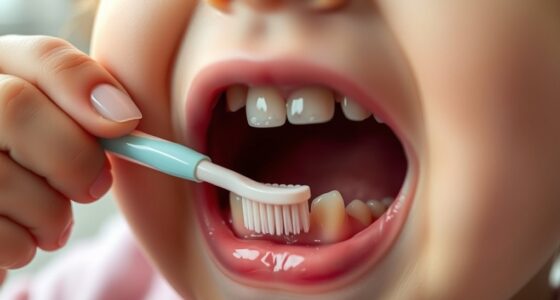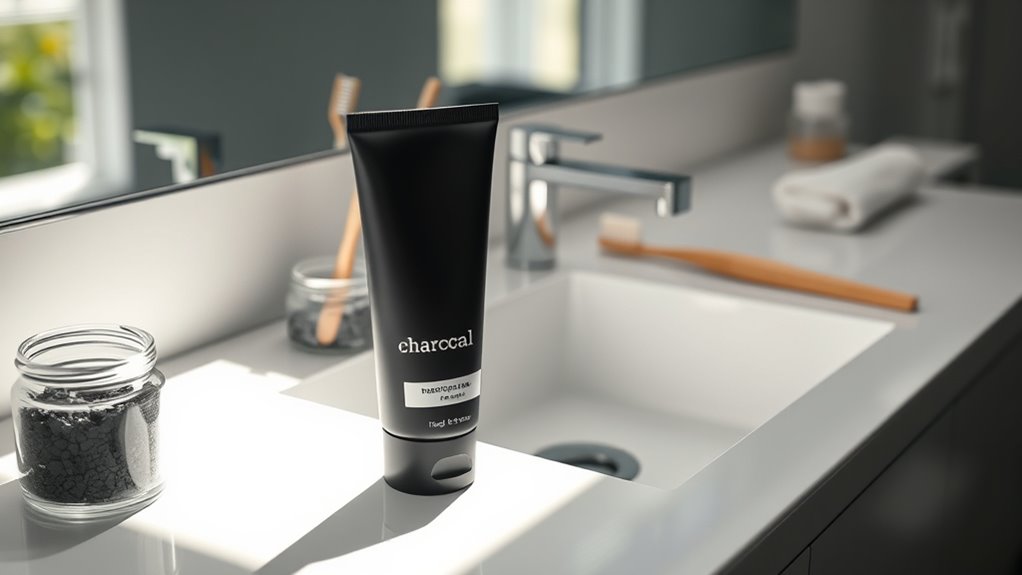

Charcoal toothpaste is popular for natural stain removal, but it’s important to understand its benefits and risks. It can lift surface stains from coffee, wine, or smoking, and is often seen as a gentler alternative to chemical whiteners. However, excessive use may wear down your enamel, causing sensitivity, so choose products wisely. To keep your smile healthy and bright, learn how to use it safely and how it fits into your overall dental routine.

Turn the school run and nap time into listening time
- Thousands of audiobooks, podcasts and originals
- Listen on your phone, tablet or Echo — also offline
- Cancel anytime
Key Takeaways
- Charcoal toothpaste effectively removes surface stains but may cause enamel erosion if overused.
- It contains activated charcoal, a porous material that adsorbs stains but can be abrasive.
- Proper usage and choosing reputable brands are essential to avoid enamel damage and sensitivity.
- Natural ingredients are appealing, but ingredient transparency and quality vary across products.
- Charcoal toothpaste complements regular dental care but shouldn’t replace professional cleanings or advice.
Charcoal toothpaste has become a popular choice for those looking to whiten their teeth naturally. Its appeal lies in the idea that natural ingredients can deliver effective results without relying on harsh chemicals. Activated charcoal, in particular, is celebrated for its porous structure, which can trap and lift surface stains from your teeth. Many brands tout its ability to remove discoloration caused by coffee, wine, or smoking, making it a go-to option for those seeking a brighter smile. However, while the natural ingredients seem promising, it’s essential to consider the overall impact on your oral health.
Charcoal toothpaste appeals for natural stain removal but requires careful use to protect enamel and oral health.
One of the main reasons people turn to charcoal toothpaste is because it’s made with natural ingredients that are perceived as gentler and safer. Unlike some commercial whitening products that contain peroxide or other chemicals, charcoal-based pastes often omit these potentially irritating substances. This natural approach appeals to those with sensitive gums or teeth, as it’s thought to be less abrasive and more gentle on your oral tissues. Still, it’s important to note that not all natural ingredients are automatically safe for daily use, so you should always check the ingredient list and consult with your dentist.
Speaking of oral health benefits, charcoal toothpaste can offer some advantages if used correctly. Its adsorptive properties can help reduce surface stains, giving your teeth a whiter appearance over time. Plus, the natural ingredients in these pastes often include soothing agents like aloe vera or coconut oil, which can support your overall oral health. Some formulations also include antibacterial components, aiming to reduce plaque buildup and freshen your breath. Nonetheless, it’s crucial to understand that the abrasiveness of charcoal can be a double-edged sword. If your toothpaste is too abrasive, it might wear down enamel over time, leading to increased sensitivity or even exposing the dentin underneath.
Additionally, recent studies highlight that abrasiveness can significantly influence the long-term health of your teeth, making it important to choose a product with a suitable level of abrasiveness. As you evaluate charcoal toothpaste, remember that not all products are created equal. Some may contain added fillers or synthetic flavors that diminish their natural appeal. Always look for products with transparent ingredient lists and avoid those that promise overly dramatic whitening results in just a few days. While natural ingredients can support your oral health benefits, they should be part of a consistent oral hygiene routine that includes regular brushing, flossing, and dental checkups. Using charcoal toothpaste occasionally might help with surface stains, but relying on it exclusively isn’t advisable without professional guidance. Balancing natural ingredients with proven dental practices will ensure you maintain a healthy, radiant smile without risking damage to your teeth or gums.
Products Worth Considering

BowFlex Results Series SelectTech 552 Adjustable Dumbbell

Philips Sonicare 5950 Rechargeable Electric Toothbrush with 2 Brush Heads, Navy

Therabody Theragun Relief Massage Gun, 3-Speed, Black
As an affiliate, we earn on qualifying purchases.
Frequently Asked Questions
Is Charcoal Toothpaste Safe for Children?
Charcoal toothpaste isn’t recommended for children because it can pose risks to their dental safety. You should prioritize pediatric oral health by choosing age-appropriate, fluoride-containing toothpaste instead. Young kids might accidentally swallow charcoal toothpaste, which can be harmful. Always consult your child’s dentist before introducing any new dental products, especially those with charcoal, to guarantee their dental safety and promote healthy oral habits early on.
Does Charcoal Toothpaste Cause Tooth Enamel Erosion?
Think of your enamel as a delicate shield protecting your teeth. Charcoal toothpaste, being quite abrasive, can wear down this shield, leading to enamel erosion and increased sensitivity. Its gritty texture causes abrasive damage over time, especially if used excessively. So, yes, frequent use of charcoal toothpaste can harm your enamel, making it vital to choose gentle options and limit its use to preserve your smile’s strength and health.
Can Charcoal Toothpaste Whiten Crowns or Veneers?
Charcoal toothpaste isn’t effective at whitening crowns or veneers because these dental aesthetics are made from materials that don’t respond to whitening agents. Using charcoal won’t change their appearance and might even damage your natural teeth. For better whitening results, consult your dentist about safe options tailored to preserve and enhance your dental aesthetics. Relying solely on charcoal toothpaste won’t enhance the whitening effectiveness of crowns or veneers.
How Often Should I Use Charcoal Toothpaste?
You should use charcoal toothpaste no more than two to three times a week to prevent excessive dental abrasiveness. Overusing it can wear down enamel, which risks sensitivity and damage. While charcoal toothpaste offers natural whitening benefits, it’s crucial to balance its use with regular fluoride toothpaste. This way, you can enjoy the natural whitening effects without compromising your oral health or causing unnecessary wear to your teeth.
Are There Any Long-Term Health Risks With Charcoal Toothpaste?
Sure, using charcoal toothpaste might seem glamorous, but beware of the long-term health risks. The environmental impact of charcoal production raises eyebrows, and marketing claims often exaggerate benefits. Over time, abrasive ingredients can erode enamel, leading to sensitivity. So, while it promises whiter smiles, you might end up trading dental health for a fleeting glow, all while unknowingly contributing to environmental damage. Think twice before diving into the charcoal craze.
Conclusion
So, next time you reach for that black paste, remember it’s like a double-edged sword—brightening your smile but potentially wearing down your enamel. Think of it as a fiery dragon: fierce but needing careful handling. Your teeth deserve the gentle touch of proven methods, not just the allure of shadows. Keep your smile shining bright and healthy, and let your choices be the lighthouse guiding your dental journey through the smoky sea of trends.