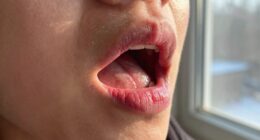
If you suffer from bedroom allergies, nasal congestion can force you to breathe through your mouth instead of your nose, leading to dry mouth and reduced saliva. This dry environment promotes bacteria growth, increasing cavity and gum disease risks, which can wreck your oral habits. Keeping allergens at bay and managing symptoms helps protect your oral health and sleep quality. Stay with us to uncover how to minimize these effects and keep your smile healthy.
Key Takeaways
- Allergens in the bedroom can cause nasal congestion, leading to mouth breathing and dry mouth, harming oral health.
- Mouth breathing reduces saliva, increasing bacterial growth and risk of cavities and gum disease.
- Poor indoor air quality and dust buildup worsen allergies, promoting habits that damage oral tissues.
- Allergies and congestion may cause long-term oral issues if not properly managed.
- Addressing bedroom allergens helps maintain good oral hygiene and prevents habits that compromise oral health.
How Do Allergies Affect Your Oral Health and Sleep?

When allergies flare up, they can do more than just cause sneezing and congestion; they can also disrupt your oral health and sleep. Allergy symptoms like nasal congestion and postnasal drip can lead to dry mouth, which harms your oral hygiene. Reduced saliva flow allows bacteria to thrive, increasing the risk of cavities and gum disease. Additionally, difficulty breathing through your nose might cause you to breathe through your mouth, further drying out your mouth overnight. Poor oral hygiene resulting from these issues can escalate oral health problems over time. Recognizing how allergies impact your mouth and sleep helps you take steps to protect your oral health during allergy seasons. Understanding allergy-related oral health risks can help you make informed choices for managing symptoms effectively.
How Bedroom Allergens Promote Mouth Breathing and Dry Mouth

Bedroom allergens like dust mites, pet dander, and mold spores can markedly influence your breathing patterns during sleep. When you’re exposed to dust mites and pet dander, your nasal passages often become inflamed and congested, making nasal breathing difficult. As a result, you may unconsciously switch to mouth breathing to get enough air. Mouth breathing dries out your oral tissues, leading to a dry mouth and reduced saliva flow. Dry mouth not only causes discomfort but also decreases your mouth’s natural defenses against bacteria. Over time, this habit can reinforce poor breathing patterns, making you more prone to oral health issues. Microplastics in dust can also contribute to indoor air pollution, further exacerbating allergy symptoms. Reducing exposure to dust mites and pet dander can help promote healthier nasal breathing and prevent the dry mouth cycle that worsens oral problems. Additionally, indoor air quality plays a significant role in allergy severity and overall respiratory health, making it important to maintain a clean sleeping environment. Ensuring proper ventilation and reducing indoor pollutants can significantly improve your respiratory health, and regular cleaning can minimize the accumulation of indoor allergens that trigger symptoms.
Oral Problems Caused by Allergy-Induced Habits

Allergy-induced habits like mouth breathing can directly lead to a range of oral health problems. When allergy triggers cause nasal congestion, you breathe through your mouth more often, which can dry out your oral tissues. This oral discomfort makes your mouth less effective at fighting bacteria, increasing the risk of cavities, gum disease, and bad breath. Constant mouth breathing also reduces saliva flow, which normally neutralizes acids and washes away food particles. Over time, these habits can weaken tooth enamel and cause sensitivity. Additionally, the dry environment created by allergy-related mouth breathing fosters bacterial growth, worsening oral health. Recognizing how allergy triggers influence your oral habits helps you understand the importance of managing allergies to protect your mouth’s health and prevent long-term problems. Incorporating natural pools and outdoor living spaces can encourage better air quality and reduce allergy symptoms, ultimately supporting healthier oral habits. Being aware of allergy management strategies can further help in minimizing these effects and maintaining better oral health. Understanding the impact of personal habits like mouth breathing highlights the importance of addressing underlying allergy issues to sustain oral wellness. Moreover, regulating environmental factors can significantly reduce allergy triggers and improve overall breathing patterns.
Tips to Minimize Bedroom Allergens and Protect Oral Health

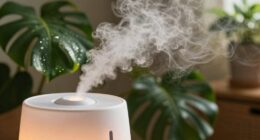
To protect your oral health, it’s essential to reduce bedroom allergens that can trigger nasal congestion and promote mouth breathing. Start by identifying common allergy triggers like dust mites, pet dander, and mold. Keep bedding clean with regular washing in hot water and use allergen-proof covers on pillows and mattresses. Improve bedroom ventilation by opening windows daily or using an air purifier to circulate fresh air and reduce airborne allergens. Declutter your space to minimize dust accumulation, and avoid heavy curtains or carpets that trap allergens. Maintaining good airflow helps keep nasal passages clear, encouraging nasal breathing at night. These simple steps can considerably cut down on allergens that contribute to oral health issues caused by mouth breathing. Additionally, choosing high-quality air purifiers can significantly enhance indoor air quality and further reduce airborne allergens. Incorporating ventilation techniques like exhaust fans or air exchange systems can also help maintain optimal air quality in your bedroom. Regular cleaning routines and understanding allergen sources can further support a healthier sleeping environment.
When to See a Dentist or Doctor for Allergy-Related Oral Issues

If you notice persistent oral issues despite maintaining a clean, allergen-reduced bedroom, it may be time to see a healthcare professional. Oral sensitivity or soreness that doesn’t improve could be linked to allergy medication side effects or ongoing allergic reactions. Calibrating your color accuracy can help you better understand the severity of your symptoms and their impact on your daily habits. Consult your dentist or doctor if you experience swelling, persistent dry mouth, or bleeding gums, especially if these symptoms interfere with your daily habits. They can determine whether your symptoms are allergy-related or caused by other factors. An ongoing allergy management plan may help reduce symptoms and improve oral health. Your healthcare provider might recommend adjustments in allergy medication or suggest additional treatments. Proper management of allergy symptoms can significantly lessen their impact on oral health and comfort. Recognizing the allergy-oral connection can help prevent complications and ensure proper diagnosis and management. Don’t overlook ongoing oral discomfort—it can signal underlying issues that need professional evaluation. Prompt consultation ensures proper diagnosis and helps protect your oral health while managing allergies effectively.
Frequently Asked Questions
Can Allergy Medications Worsen Dry Mouth or Oral Health?
Yes, allergy medication side effects can worsen dry mouth, which impacts your oral health. Many allergy medications contain antihistamines that reduce saliva production, leading to dry mouth. This condition increases your risk of tooth decay, gum disease, and bad breath. To protect your oral health, stay hydrated, use saliva substitutes if needed, and consult your healthcare provider if you notice persistent dry mouth or oral health issues related to allergy medications.
Are There Specific Allergens That Directly Cause Dental Erosion?
Dust mites and mold spores don’t directly cause dental erosion, but they can trigger allergic reactions that lead to mouth breathing or dry mouth. This dry mouth reduces saliva, which normally protects your teeth from acid erosion. When saliva decreases, acids from foods or drinks can wear down your enamel faster. So, while allergens don’t harm teeth directly, they contribute to conditions that increase erosion risk.
How Do Allergies Impact Saliva Production During Sleep?
Allergies can reduce saliva flow during sleep, leading to dry mouth, which hampers your ability to naturally neutralize acids and protect your teeth. This decrease in saliva often causes sleep disturbances, making it harder to get restful rest. When your saliva production drops, you’re more prone to cavities and erosion. To combat this, stay hydrated, use humidifiers, and consider allergy treatments to improve saliva flow and sleep quality.
Can Allergy-Induced Mouth Breathing Lead to Long-Term Dental Issues?
Ironically, allergy-induced mouth breathing can lead to long-term dental issues, especially if you sleep with poor posture due to nasal congestion. When you breathe through your mouth, saliva dries up, increasing the risk of cavities and gum problems over time. Sleeping with your mouth open also causes misaligned teeth and jaw discomfort. So, ignoring nasal congestion might just turn your nightly rest into a recipe for dental disaster.
What Home Remedies Help Reduce Bedroom Allergens Naturally?
You can try natural remedies like keeping your bedroom well-ventilated and using air purifiers to reduce allergens. Regularly wash bedding in hot water to eliminate dust mites, and incorporate allergy-friendly plants that naturally purify the air. Using hypoallergenic pillow and mattress covers also helps. These methods promote allergens reduction, making your sleep environment healthier and less likely to trigger mouth breathing, which benefits your oral health.
Conclusion
If you notice persistent dry mouth or oral discomfort, your allergies might be the culprit. For example, imagine someone with dust allergies who constantly breathes through their mouth at night, leading to cavities and gum issues. Addressing your bedroom allergens, like using air purifiers or allergy-proof bedding, can make a big difference. Taking proactive steps guarantees you protect both your sleep quality and oral health, helping you wake up feeling refreshed and cavity-free.