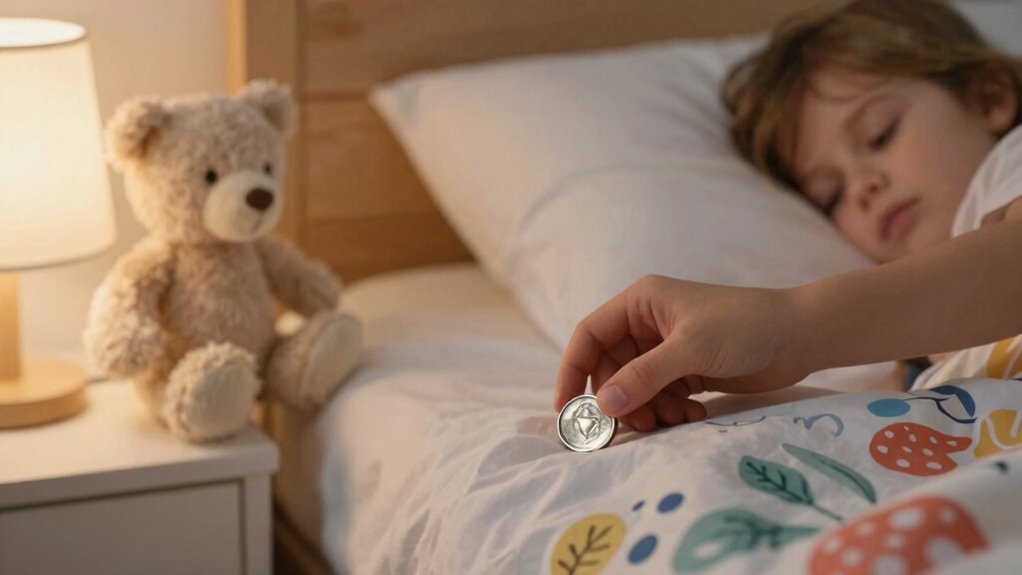

The Tooth Fairy tradition teaches you about family values like trust, responsibility, and celebrating growth. When your child places a tooth under the pillow, you’re guiding them to understand honesty and the importance of caring for their body. It also creates moments for family bonding and reinforces cultural practices passed down through generations. Embracing these rituals helps build confidence and emotional resilience, and if you explore further, you’ll discover even more ways to nurture meaningful family connections.

Turn the school run and nap time into listening time
- Thousands of audiobooks, podcasts and originals
- Listen on your phone, tablet or Echo — also offline
- Cancel anytime
Key Takeaways
- The Tooth Fairy tradition fosters trust and honesty between children and parents through shared rituals.
- It strengthens family bonds by creating memorable milestones and celebrating growth together.
- The tradition promotes cultural continuity by passing down meaningful customs across generations.
- It encourages patience, responsibility, and self-care as children care for their dental health.
- Celebrating milestones like losing a tooth boosts confidence and highlights the importance of positive reinforcement.

The Tooth Fairy tradition is more than just a childhood rite of passage; it serves as a meaningful way for families to reinforce core values like trust, responsibility, and encouragement. As you participate in this tradition with your child, you introduce them to the idea of a shared cultural symbolism that connects generations. The act of exchanging a lost tooth for a small reward isn’t just about the reward itself; it symbolizes growth, change, and the importance of caring for oneself. This cultural symbolism helps children understand that their bodies, milestones, and experiences are part of a larger, meaningful story that they’re actively involved in.
Engaging in the Tooth Fairy tradition also plays an essential role in childhood development. When you encourage your child to place their tooth under the pillow, you’re fostering a sense of responsibility. They learn about the importance of taking care of their body and understanding the consequences of their actions—like losing a tooth and the anticipation of a reward. This moment teaches patience and trust, especially when they believe in the fairy’s visit and trust that their efforts will be rewarded. It becomes a gentle lesson in believing in something beyond their immediate perception, nurturing their imagination and sense of wonder. Additionally, participating in this tradition can reinforce family bonding and create lasting memories that strengthen emotional connections.
Moreover, this tradition allows you to emphasize honesty and integrity. When your child enthusiastically shares their experience or attempts to deceive you about the tooth, you have the opportunity to discuss the value of honesty in a supportive way. It’s a chance to reinforce that trust between parent and child is built on honesty, and that they can count on you to keep their trust. As they grow, they also develop emotional resilience through these shared moments, learning to handle excitement, disappointment, or curiosity in a safe environment. Participating in family traditions like this also helps children develop a sense of family identity, which further supports their emotional stability and sense of belonging.
Finally, the Tooth Fairy tradition is a platform for encouragement. Celebrating this milestone shows your child that their growth is recognized and valued. It boosts their confidence and creates positive associations with change and development. As you witness your child’s excitement over the fairy’s visit, you’re also modeling how to celebrate small victories and embrace new phases of life. This tradition also highlights the importance of cultural symbolism, strengthening family bonds and passing down meaningful customs. Understanding the significance of family traditions can deepen your connection and provide a sense of continuity for your child. In this way, the tradition becomes a cornerstone in nurturing their self-esteem and understanding that each stage of childhood comes with unique opportunities for learning and family bonding.
Frequently Asked Questions
How Did the Tooth Fairy Tradition Originate Historically?
You might be curious about the tooth fairy tradition’s origins. Historically, its mythic origins trace back to European folklore, where children believed losing a tooth brought good luck. Over time, cultural adaptations transformed this myth into a beloved ritual, incorporating coins or gifts. This evolution shows how a simple legend about a mythical figure has been embraced worldwide, promoting family bonding and teaching children about change, growth, and tradition.
Are There Cultural Variations of the Tooth Fairy Around the World?
A stitch in time saves nine. Around the world, you’ll find cultural diversity and folklore variations of the tooth fairy. In some countries, children meet the tooth mouse or a wise old man instead. These differences highlight how traditions adapt to local cultures, emphasizing respect and understanding for diversity. Embracing these variations teaches you that shared values can flourish through unique cultural expressions, enriching your appreciation for global family bonds.
How Can Parents Balance Honesty and Magic in This Tradition?
You can balance honesty and magic by emphasizing trust building while addressing the myth vs. reality. Share the enchanting story of the Tooth Fairy to foster imagination, but gently explain that it’s a fun tradition rather than a literal event. Encourage your child to enjoy the magic, knowing they can trust you to be honest when they’re ready. This approach nurtures both their sense of wonder and their understanding of truth.
What Age Is Appropriate to Stop Participating in the Tooth Fairy Routine?
You might consider stopping the tooth fairy routine around age 9 or 10, as children start to question more and gain a deeper understanding of childhood innocence. Trust is key; you want to preserve parental trust while respecting their growing awareness. When your child starts doubting the magic or feels ready to know the truth, it’s a good time to gently shift away from the tradition, honoring their developmental stage.
Can the Tooth Fairy Tradition Impact a Child’s Moral Development?
The tooth fairy tradition can positively impact your child’s moral development by fostering trust building and teaching valuable moral lessons. When you participate thoughtfully, your child learns about honesty, patience, and the importance of keeping promises. These shared experiences become opportunities to discuss right and wrong, strengthening your bond while encouraging moral growth. Ultimately, the tradition helps shape their understanding of trust and integrity in a playful, meaningful way.
Conclusion
Embracing the Tooth Fairy tradition is like planting a seed of trust and wonder in your family’s garden. It reminds you that small moments hold the power to nurture bonds and pass down values quietly, yet profoundly. As you keep this magic alive, you’re weaving a tapestry of love and belief that stretches far beyond childhood. Ultimately, it’s a gentle reminder that family values, like fairy dust, can make everyday moments sparkle with meaning.
Halloween Picks
halloween
As an affiliate, we earn on qualifying purchases.