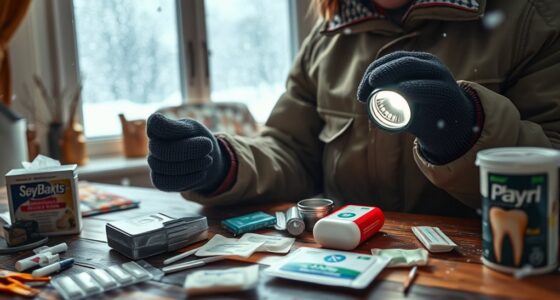
If you have a loose tooth while traveling, stay calm and avoid wiggling or applying pressure to prevent aggravating it. Rinse your mouth gently with warm salt water and keep the tooth moist in milk or saline if it falls out. Find nearby dental services and don’t try to reinsert it yourself. Carry a basic dental kit to handle emergencies. Want to know more tips for managing dental issues on the go? Keep exploring for helpful insights.
Key Takeaways
- Avoid wiggling or applying pressure to prevent worsening the looseness.
- Maintain good oral hygiene with gentle rinses using warm salt water.
- Handle the tooth carefully, and keep it moist in milk or sterile saline if dislodged.
- Know the location of nearby emergency dental services at your travel destination.
- Carry a basic dental first aid kit with gauze, pain relievers, and a container for the tooth.

Travel season can be exciting, but dealing with a loose tooth might put a damper on your plans. The good news is, with the right approach to travel safety and dental emergency preparedness, you can handle this situation smoothly. First, don’t panic. A loose tooth isn’t always an emergency, but it’s essential to assess the situation carefully. If the tooth is only slightly loose and doesn’t cause pain, you might be able to manage it until you return home. However, if you’re experiencing persistent pain, swelling, or bleeding, you should seek professional dental help promptly. Being prepared means knowing where to find emergency dental services at your destination, so research local clinics or hospitals ahead of time.
In the meantime, avoid wiggling or putting pressure on the loose tooth. It could aggravate the situation and cause more damage. Instead, maintain good oral hygiene by gently rinsing your mouth with warm salt water. This helps reduce bacteria and keeps the area clean, which is especially important if bleeding occurs. Carry a small dental kit with essentials like gauze, pain relievers, and a disposable container for storing the tooth if it becomes completely dislodged. If your tooth falls out, handle it carefully by the crown—avoid touching the roots—and rinse it gently with clean water if dirty. Keep the tooth moist by placing it in a milk container or a sterile saline solution. Avoid using tap water or storing it in tissue paper, as these aren’t ideal for preserving the tooth for possible reimplantation. Being aware of dental emergency procedures can also help you respond more effectively in such situations.
Throughout your travels, prioritize travel safety by staying aware of your surroundings and avoiding activities that could worsen the problem. Don’t try to force the tooth back in place yourself, as improper handling can cause further injury. Instead, seek out local dental professionals or emergency rooms if necessary. It’s also wise to carry travel insurance that covers dental emergencies, so you’re financially prepared if treatment becomes necessary. Remember, dental emergencies during travel are common but manageable with the right mindset and preparation. Staying calm, practicing good oral hygiene, and knowing where to get professional help can make all the difference. Understanding dental emergencies and being proactive can help you respond effectively if the unexpected occurs.
Additionally, being aware of child-friendly dental care can help you better prepare for situations involving young travelers. Knowing simple first aid techniques can also be a valuable part of your travel safety toolkit, ensuring you’re ready to act swiftly if needed. It’s helpful to familiarize yourself with basic dental first aid procedures so you can provide immediate assistance if a situation arises. By staying proactive and informed, you can keep your trip enjoyable and safe, even if a loose tooth pops up unexpectedly.
As an affiliate, we earn on qualifying purchases.
Frequently Asked Questions
When Should I See a Dentist for a Loose Tooth While Traveling?
You should see a dentist immediately if your loose tooth causes pain, swelling, or bleeding. If you notice your dental insurance covers urgent care, contact them for guidance. Don’t delay if the tooth becomes more mobile, as you might need a tooth extraction. Prompt professional evaluation helps prevent infection and further damage, especially while traveling. Always prioritize your oral health and seek care when symptoms worsen or if you’re uncertain.
Can I Temporarily Fix a Loose Tooth Without Professional Help?
You might try some home remedies to temporarily stabilize a loose tooth, like gently biting down on gauze to control bleeding or avoiding hard foods. However, these aren’t permanent fixes. Check if your dental insurance covers emergency dental care, and see a dentist as soon as possible. Professional treatment guarantees your tooth doesn’t worsen, so don’t delay seeking expert help, even if you find temporary relief.
How Can I Prevent My Loose Tooth From Worsening During Travel?
To prevent your loose tooth from worsening during travel, focus on maintaining good dental hygiene and avoiding foods that could cause oral discomfort. Gently brush and floss to keep the area clean, but don’t apply pressure. Steer clear of hard or sticky foods that might aggravate the tooth. Carry a travel-friendly mouthwash or pain reliever if needed. Staying cautious helps protect your tooth until you can see a dentist.
Are There Specific Foods to Avoid With a Loose Tooth?
Think of your loose tooth like a fragile glass—treat it gently. You should avoid hard, crunchy, or sticky foods that can worsen tooth pain and cause chewing difficulties. Foods like nuts, popcorn, and caramel are best left untouched. Instead, opt for soft, nutritious options like yogurt, mashed potatoes, or smoothies. Keeping to gentle foods helps protect your tooth and minimizes discomfort during travel.
What Emergency Supplies Should I Carry for Dental Issues While Traveling?
You should carry a travel dental kit containing essentials like dental floss, gauze, and temporary filling material. Include emergency pain relief such as over-the-counter painkillers to manage discomfort. These supplies help you address issues promptly, preventing further damage. Always have a small mirror and antiseptic wipes on hand. Being prepared guarantees you can handle dental problems confidently, even when you’re away from your regular dentist.
Conclusion
So, savvy travelers, stay steady and smile! Stay vigilant with vigilant brushing, gentle gum guidance, and quick consultations. Don’t delay, don’t disregard discomfort—dental diligence during your travel season keeps your teeth triumphant and your trips terrific. Remember, a little care goes a long way in avoiding unnecessary upset. With mindful maintenance and a bit of magic, your mouth remains magnificent, making every adventure awesome without any oral obstacles!