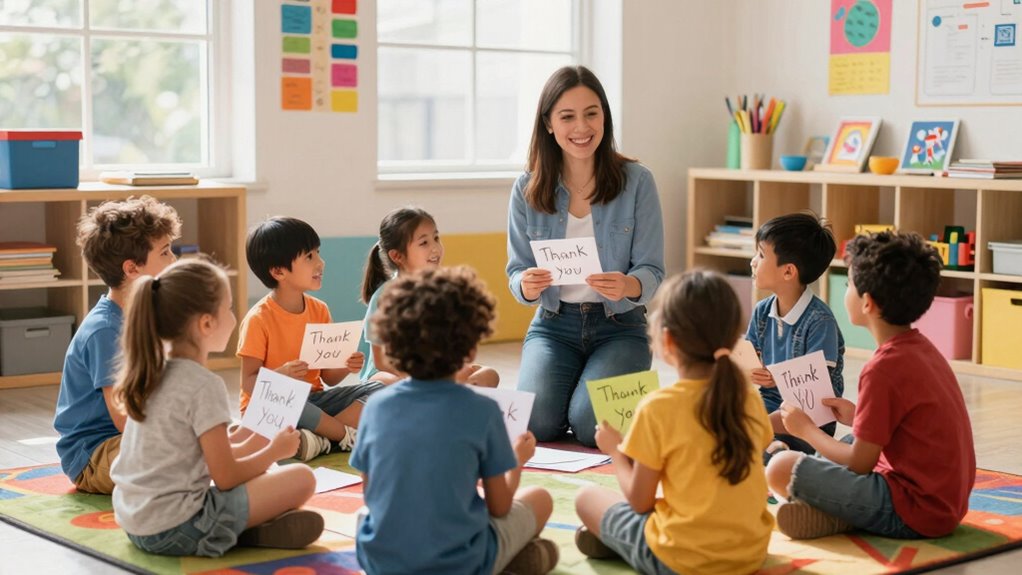

To teach kids gratitude before the school year ends, you can incorporate daily routines like sharing what they’re thankful for during dinner or reflecting in a gratitude journal. Model gratitude by expressing appreciation yourself and encourage mindful giving, where children think about how their actions can bring happiness to others. By regularly practicing these habits and connecting gratitude to everyday moments, you’ll help your child develop lasting appreciation and kindness—if you want to explore more ideas, keep going.
Key Takeaways
- Incorporate daily gratitude sharing during mealtimes or bedtime to foster regular reflection.
- Use gratitude journals to help children recognize and appreciate positive experiences and acts of kindness.
- Model gratitude and mindful giving through your own actions, demonstrating genuine appreciation and kindness.
- Encourage children to write thank-you notes or express appreciation to peers and teachers.
- Connect gratitude to broader perspectives by exploring cultural traditions and using everyday objects to discuss thankfulness.
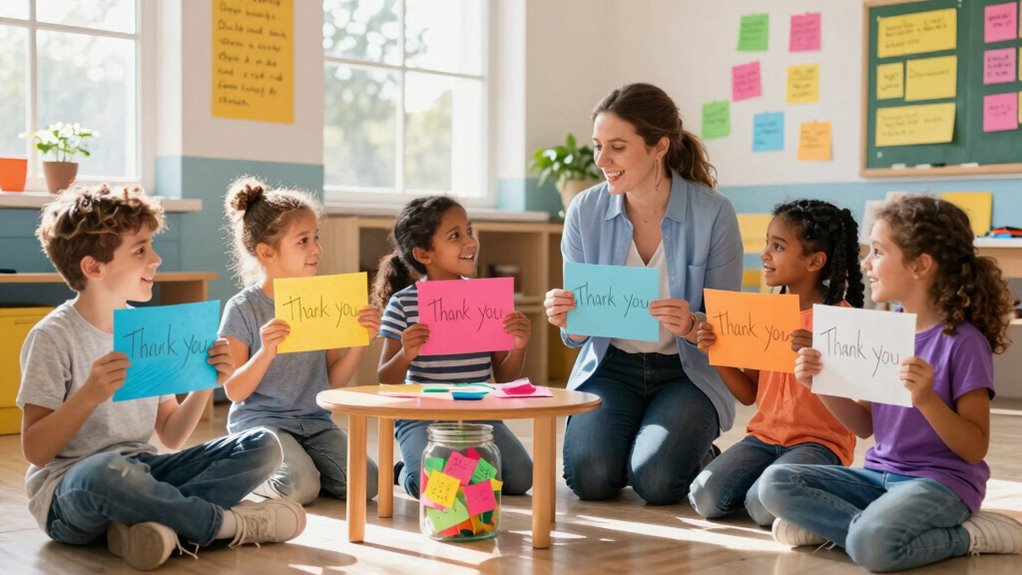
As the school year draws to a close, it’s the perfect time to help kids understand and appreciate what they have. Teaching gratitude during this period can leave a lasting impact, shaping their outlook well beyond summer. One effective way is through mindful giving—encouraging children to think about how their actions, whether small or big, can bring happiness to others. You might guide them to choose thoughtful gifts or acts of kindness, emphasizing the importance of giving with intention rather than obligation. This practice helps kids recognize the joy in helping others and fosters a sense of connection and empathy.
Encourage mindful giving to teach kids kindness, connection, and the joy of helping others beyond the classroom.
Another powerful tool is gratitude journaling. You can introduce this activity as a daily or weekly routine, where your child writes down things they’re thankful for. Encourage them to reflect on simple moments, like a kind word from a friend or a favorite meal, as well as larger blessings like family and good health. Gratitude journaling shifts their focus from what they lack to what they already have, nurturing appreciation and contentment. As they see their entries grow, they’ll develop a habit of noticing the positive aspects of their lives, even during challenging times.
Incorporate mindful giving and gratitude journaling into your daily routine to deepen their understanding. For example, before dinner, ask your child to share one thing they are grateful for, or discuss how they might give back to someone who could use a kind gesture. When they write in their journal, prompt them to think about why they are thankful and how they can express that gratitude to others. This approach teaches them to be present in the moment and to recognize the significance of small acts of kindness and appreciation. Developing an attitude of mindfulness can further enhance their ability to appreciate the present and foster genuine gratitude. Additionally, exploring cultural insights related to gratitude can help children understand its universal importance across different traditions and communities. Recognizing the universality of gratitude can deepen their appreciation for diverse perspectives and practices.
You can also set an example by practicing these habits yourself. Share your gratitude journal entries and show them how mindful giving fits into your daily life. When kids see adults practicing gratitude and giving with intention, they’re more likely to adopt those habits themselves. Remember, teaching gratitude is about more than just saying “thank you”—it’s about cultivating a mindset that appreciates what they have and recognizes the value of kindness. Incorporating gadget reviews and tech tips into your conversation about gratitude can also be a fun way to connect their interests to these values. Understanding the impact of gratitude on well-being can motivate children to practice it regularly. As the school year ends, these practices can help shape a grateful attitude that lasts far beyond the classroom, inspiring your child to be thoughtful, compassionate, and appreciative every day.
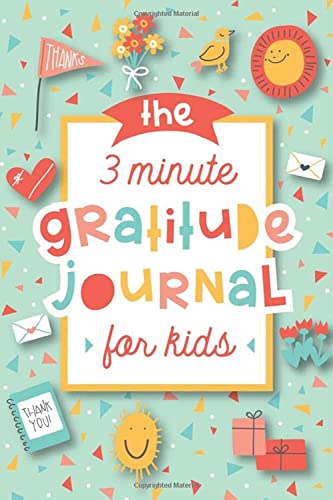
The 3 Minute Gratitude Journal for Kids: A Journal to Teach Children to Practice Gratitude and Mindfulness
As an affiliate, we earn on qualifying purchases.
As an affiliate, we earn on qualifying purchases.
Frequently Asked Questions
How Can Parents Model Gratitude Effectively?
You can model gratitude effectively by regularly practicing gratitude journaling yourself and sharing your entries with your kids. Incorporate thankfulness rituals into daily routines, like expressing appreciation during mealtime or bedtime. When you openly show thankfulness and highlight positive aspects of your day, your kids learn to do the same, understanding the value of gratitude. Consistent modeling helps them develop a genuine appreciation for what they have.
What Activities Best Promote Gratitude in Children?
Did you know kids who practice gratitude regularly are happier and more empathetic? You can promote gratitude through activities like gratitude journaling, where children reflect on what they’re thankful for, and thankfulness crafts, which make expressing appreciation fun and creative. These activities help kids recognize kindness and foster a positive outlook, encouraging them to develop gratitude naturally and meaningfully before the school year ends.
When Is the Optimal Time to Teach Gratitude?
You should teach gratitude during everyday moments and special occasions, making it a consistent part of your routine. Incorporate gratitude journaling to encourage reflection and establish thankfulness rituals, like sharing what you’re grateful for at dinner or bedtime. This approach helps kids develop a genuine sense of appreciation over time. Regular practice, especially during shifts or challenges, reinforces gratitude’s importance and makes it a natural part of their lives.
How to Handle Ungrateful Behavior in Kids?
Think of ungrateful behavior as a garden needing care. You handle it by encouraging gratitude journaling and establishing thankfulness rituals that spotlight appreciation daily. When kids show ingratitude, gently remind them of these practices, helping them recognize kindness and blessings around them. Consistent, positive reinforcement fosters genuine thankfulness, turning ungrateful moments into opportunities for growth and understanding. You’re guiding them to develop a heartfelt attitude, much like tending a flourishing garden.
Are There Age-Appropriate Gratitude Exercises?
Yes, there are age-appropriate gratitude exercises you can try. For younger kids, encourage gratitude journaling by having them draw or write about things they’re thankful for each day. For older children, introduce thankfulness crafts like creating gratitude boxes or thank-you cards. These activities make gratitude fun and tangible, helping kids recognize their blessings while developing a thankful attitude. Keep exercises simple, engaging, and suited to their developmental level.
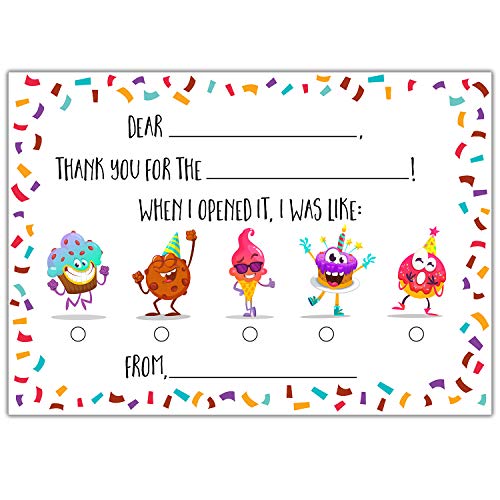
Honeyplum Kids Fill in the Blank Thank You Postcards – 25 Card Set – Fun Gender Neutral Thank You Notes For Boys or Girls
SO MUCH FUN – Teach kids the value of showing appreciation by having them participate in writing their…
As an affiliate, we earn on qualifying purchases.
As an affiliate, we earn on qualifying purchases.
Conclusion
By teaching your kids gratitude now, you’re helping them develop essential life skills that last. Did you know that grateful children are more likely to have better mental health and stronger relationships? Just spending a few minutes daily expressing appreciation can make a big difference. As the school year wraps up, take this opportunity to foster gratitude — it’s a gift they’ll carry with them forever. Your efforts today shape their bright, thankful tomorrow.

Mindful Kids: 50 Mindfulness Activities for Kindness , Focus and Calm
As an affiliate, we earn on qualifying purchases.
As an affiliate, we earn on qualifying purchases.

Iconikal 100-Count Inspirational, Motivational, Gratitude, Appreciation, Kindness & Encouragement Sayings Bookmarks
Inspiring Motivational Phrases: Uplift readers with 100 bookmarks featuring phrases like "Today is a great day" and "Dare…
As an affiliate, we earn on qualifying purchases.
As an affiliate, we earn on qualifying purchases.