If an orthodontic emergency happens outside office hours, stay calm and assess the situation carefully. If a wire pokes or a bracket comes loose, use orthodontic wax to cover sharp edges, and gently push poking wires into a less irritating position. Avoid trying complex repairs yourself. Keep an emergency kit handy, and contact your orthodontist as soon as possible. Continuing this guide will provide you with more essential tips to manage these issues effectively.
Key Takeaways
- Stay calm, assess the situation, and identify if there are loose brackets, poking wires, or broken appliances.
- Use orthodontic wax to cover sharp edges or protruding wires to prevent injury.
- If a wire pokes or causes pain, gently push it into a less irritating position using clean tweezers or a cotton swab.
- Prepare a small emergency kit with wax, tweezers, and scissors for temporary fixes if necessary.
- Contact your orthodontist promptly for guidance or to schedule repairs as soon as their office reopens.
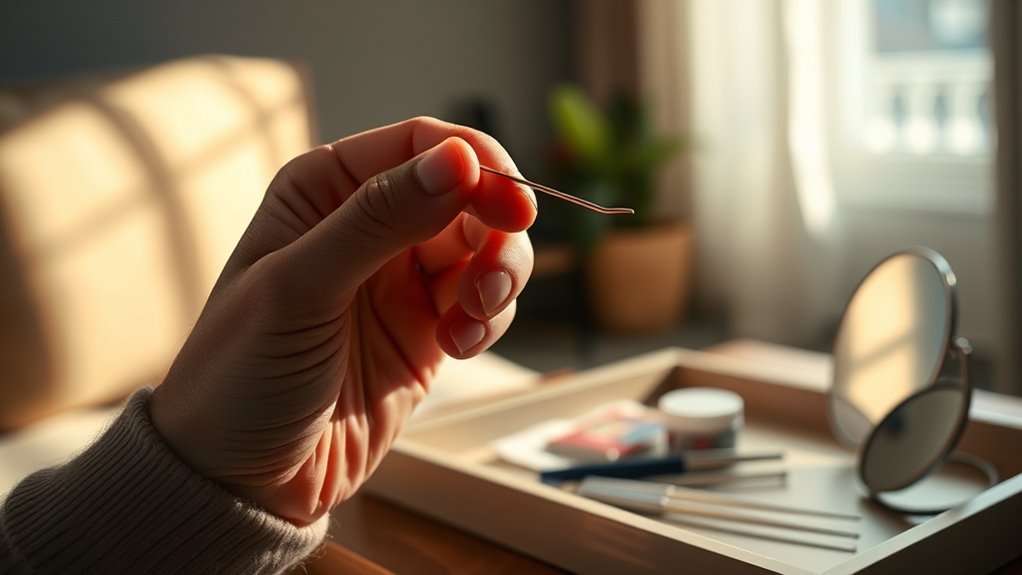
When your orthodontist’s office is closed, handling emergencies can feel stressful, but staying calm and prepared is key. If you notice braces damage or experience wire poking, it’s important to address these issues promptly to avoid discomfort or further problems. First, don’t panic. Many orthodontic emergencies are manageable until you can get professional help during office hours.
Stay calm and address braces issues promptly to prevent discomfort until you see your orthodontist.
If you’re dealing with braces damage, such as a broken bracket or loose wire, examine your braces carefully. Sometimes, a bracket may come loose, or a wire might detach. If a wire is broken or loose, avoid trying to fix it yourself; instead, gently check if the wire is poking or causing pain. If the wire is sticking out and poking the inside of your mouth, you can try to push it back gently with a clean pair of tweezers or a cotton swab. Be very careful not to hurt yourself or cause further damage. If the wire is poking into your cheeks or gums, place orthodontic wax over the loose or sharp end to reduce irritation.
In cases of braces damage, such as a bracket falling off, you can use orthodontic wax to temporarily secure loose parts or cover sharp edges. This helps prevent injury and discomfort until you can see your orthodontist. If a wire is causing persistent pain or poking into your cheeks, and you can’t reposition it, do not cut the wire yourself unless instructed by your orthodontist. Instead, try to shield the area with wax or a cotton swab and schedule an appointment as soon as possible.
If the wire is particularly bothersome and you can’t remove it safely, consider using a small pair of nail scissors or wire cutters to clip the protruding end, but only if you’re confident and have clear instructions from your orthodontist beforehand. If you’re unsure, it’s best not to attempt repairs yourself. Keep a small emergency kit handy, including orthodontic wax, tweezers, and small scissors, to make temporary fixes easier.
Additionally, understanding how arcade machines work can help you stay calm in situations where you might need to fix or adjust electronic devices, as they often involve microprocessors and specialized hardware that require careful handling.
Frequently Asked Questions
How Can I Prevent Orthodontic Emergencies During Off-Hours?
To prevent orthodontic emergencies during off-hours, focus on preventive care and appliance maintenance. Always follow your orthodontist’s instructions carefully, like wearing retainers or elastics as prescribed. Avoid eating hard, sticky, or chewy foods that could damage appliances, and double-check your braces or aligners regularly for loose or broken parts. Keeping your appliances in good condition reduces the risk of emergencies, ensuring smoother treatment and fewer issues when your office is closed.
Are There Over-The-Counter Remedies for Breaking Braces?
Breaking braces feels like a sudden emergency, but you can find relief with over-the-counter remedies. Use orthodontic wax to cover sharp edges for home remedies that prevent discomfort. For pain relief, take ibuprofen or acetaminophen as directed. While no over-the-counter product can fix a broken brace, these methods help manage pain and protect your cheeks until you see your orthodontist. Remember, timely professional help is always best.
When Should I Seek Emergency Dental Care Instead of Orthodontic Advice?
You should seek emergency dental care if you experience dental trauma or sudden swelling, as these could indicate serious issues. If your braces cause intense pain, a broken wire that pokes your cheek, or if you notice a knocked-out tooth, don’t wait—get professional help immediately. While minor discomfort may be manageable at home, urgent care is necessary when symptoms suggest infection, injury, or potential damage to your teeth or gums.
Can I Temporarily Fix a Loose Bracket at Home?
A stitch in time saves nine, and that’s true with loose brackets too. You can try a DIY fix with emergency supplies like orthodontic wax or dental cement to temporarily secure the bracket. Carefully clean the area, apply the wax or cement, and avoid using household glues. However, don’t delay in contacting your orthodontist for a proper repair, as a loose bracket can affect your treatment progress.
What Should I Do if an Appliance Causes Severe Pain?
If an appliance causes severe pain, you should first try pain management techniques like taking over-the-counter pain relievers and rinsing with warm salt water. Avoid adjusting the appliance yourself, as improper appliance adjustment can worsen the pain. Contact your orthodontist as soon as possible for guidance. If the pain is unbearable or there’s swelling, seek emergency dental care. Prompt professional help guarantees proper appliance adjustment and relief.
Conclusion
Remember, emergencies can happen at any time, and knowing how to handle them could save your smile. But what if the unexpected occurs when your orthodontist isn’t available? Will you be able to manage the discomfort or damage until help arrives? Stay prepared, keep your emergency kit handy, and don’t hesitate to reach out for guidance. After all, a small step now could prevent a bigger problem later—are you ready to face the unexpected?