After catching colds or flu, it’s important to replace your toothbrush promptly to remove lingering germs that can cause reinfection. You should switch to a new brush within a few days or right after symptoms clear to guarantee no bacteria or viruses remain on the bristles. Worn or frayed brushes also lose effectiveness, so regularly check and replace them every 3-4 months. Continuing these habits helps protect your health—stay with us to learn more about proper oral hygiene practices.
Key Takeaways
- Replace your toothbrush immediately after recovering from colds or flu to eliminate lingering germs.
- A new toothbrush enhances antibacterial effects and reduces the risk of re-infection.
- Worn or frayed bristles lose cleaning efficiency and can harbor bacteria, indicating it’s time to replace.
- The typical lifespan of a toothbrush is 3-4 months, but illness may shorten this period.
- Regularly changing your toothbrush supports overall oral health and helps prevent the spread of contagious germs.

After recovering from a cold or flu, it’s important to replace your toothbrush to prevent re-infection. When your body is fighting off an illness, your toothbrush can become a breeding ground for bacteria, viruses, and other germs. Even after symptoms subside, tiny pathogens can linger on the bristles, risking reinfection if you continue using the same brush. Replacing your toothbrush ensures you’re not reintroducing these microbes into your mouth, supporting your ongoing recovery and overall oral health.
Understanding the antibacterial benefits of a new toothbrush highlights why it’s vital to change it after illness. Over time, toothbrush bristles become frayed and less effective at removing plaque and debris. This deterioration shortens the toothbrush’s lifespan, diminishing its cleaning power and allowing bacteria to accumulate more easily. When you replace your toothbrush promptly after being sick, you take advantage of the antibacterial benefits of a fresh brush, which can better combat germs and reduce the risk of spreading infections. A new toothbrush provides a cleaner, more hygienic tool for maintaining your oral health, especially during vulnerable times when your immune system may be weakened.
A new toothbrush enhances antibacterial benefits, fights germs better, and supports healthier oral hygiene after illness.
The lifespan of a toothbrush typically ranges from three to four months, but this can be shortened if you’ve been sick or if the bristles become frayed sooner. Frayed bristles lose their ability to clean effectively and can harbor bacteria more readily, making it even more critical to replace your toothbrush after illness. Paying attention to the condition of your toothbrush helps ensure you’re always using a device that’s both effective and hygienic. If you notice the bristles splaying or becoming worn, it’s time for a new one, particularly after an illness, to maintain ideal oral hygiene and prevent the reintroduction of germs.
It’s also worth noting that toothbrushes should be replaced after any contagious illness, regardless of how long you’ve had it. Even if the bristles appear fine, microscopic pathogens can remain, and using an old toothbrush increases the risk of reinfection. Replacing your toothbrush is a simple, cost-effective step that supports your immune system and keeps your mouth healthier. Remember, maintaining good dental hygiene extends beyond brushing; it includes regularly swapping out your toothbrush, especially after illnesses, to maximize the antibacterial benefits and ensure your toothbrush’s effectiveness remains intact throughout its lifespan.

Dental Ultrasonic Retainer Cleaner Machine: 45kHz Dental Cleaning Pod with Digital Timer & 200ML, Cleaning for Dentures, Mouth Guards, Aligners, Night Guards, Braces, Toothbrush Heads & Jewelry, White
45KHZ DEEP ULTRASONIC CLEANING: Experience professional-grade cleaning at home with high-frequency 45kHz ultrasonic waves. Millions of nano-scale bubbles...
As an affiliate, we earn on qualifying purchases.
Frequently Asked Questions
Can I Reuse My Old Toothbrush for Other Family Members?
You shouldn’t reuse your old toothbrush for other family members because it can spread germs and compromise toothbrush hygiene practices. Sharing a toothbrush increases the risk of transmitting bacteria and viruses, especially if someone is sick. To keep everyone healthy, each person should have their own toothbrush, and you should replace it regularly. Avoid family toothbrush sharing, and always store toothbrushes separately in well-ventilated areas.
How Long Should I Wait Before Replacing My Toothbrush After Illness?
Think of your toothbrush as a brave knight facing germ invaders; after illness, you should replace it promptly. Wait at least 24 hours to allow germ elimination, then discard your old toothbrush. The typical toothbrush lifespan is about three to four months, but after an illness, it’s best to replace it sooner to prevent lingering bacteria. This helps keep your mouth healthy and germ-free, like a fortress restored.
Are Electric Toothbrush Heads Safe to Reuse After a Cold?
Electric toothbrush heads aren’t safe to reuse after a cold because proper electric toothbrush hygiene is essential to prevent bacteria and virus spread. You should replace the head according to toothbrush replacement tips, usually every three months or sooner if you notice wear. Reusing an old brush head can harbor germs, risking reinfection. Always follow manufacturer guidance for cleaning and replacing to maintain ideal oral health and hygiene.
Does Rinsing My Toothbrush Remove All Germs Effectively?
Rinsing your toothbrush helps remove some germs, but it doesn’t eliminate all bacteria effectively. Proper toothbrush hygiene involves thoroughly rinsing with water and storing it upright to air dry, which reduces germ buildup. To guarantee better germ elimination, consider soaking your toothbrush in an antibacterial mouthwash once in a while or replacing it regularly, especially after illness. This keeps your toothbrush clean and minimizes germs that can cause reinfection.
Should I Disinfect My Toothbrush in Boiling Water?
Think of toothbrushing like battling germs on a battlefield. Disinfecting your toothbrush in boiling water can be a powerful weapon, but only if you’re cautious. Toothbrush sterilization with boiling water is effective at killing bacteria and viruses, yet you must guarantee boiling water safety to avoid damaging the bristles or handle. Short dips for a few minutes usually do the trick, making your toothbrush a cleaner warrior ready for the next round.

Upgraded Ultrasonic Retainer Cleaner Machine, 45kHz Ultrasonic Dentures Cleaner for Night Guards, Braces, Aligner, Toothbrush, Jewelry and More, 200ML Capacity, Black1
【Ultrasonic Cleaning】Utilizing 45,000Hz high-frequency ultrasonic technology, the retainer cleaner generates millions of micron-scale cleaning bubbles per second, penetrating...
As an affiliate, we earn on qualifying purchases.
Conclusion
So, if you want to avoid turning your bathroom into a germ farm that could launch a full-scale infection invasion, don’t forget to replace your toothbrush after colds and flu. Think of your toothbrush as a tiny Trojan horse carrying invisible armies of germs ready to attack whenever you least expect it. Swap it out promptly, and you’ll keep those microscopic invaders from staging a surprise comeback, protecting your health like a true oral hygiene hero.

Upgraded Ultrasonic Retainer Cleaner Machine, 45kHz Ultrasonic Dentures Cleaner for Night Guards, Braces, Aligner, Toothbrush, Jewelry and More, 200ML Capacity, White
【High-Efficiency Ultrasonic Cleaning】Utilizing 45,000Hz high-frequency ultrasonic technology, the retainer cleaner generates millions of micron-scale cleaning bubbles per second,...
As an affiliate, we earn on qualifying purchases.
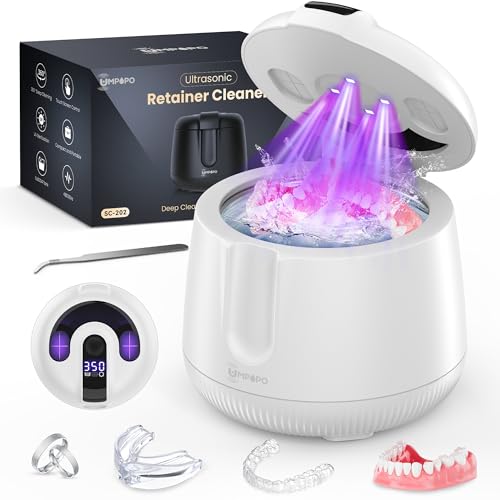
UMPOPO Ultrasonic Retainer Cleaner Machine 48kHz, Dental Cleaning Pod, Ultrasonic Retainer Cleaner for Dentures, Aligners, Mouth Guards, Toothbrush Heads and Jewelry with 200ML Capacity, LAB Supply
Ultrasonic Cleaning Technology:This retainer cleaner machine features 48,000Hz high-frequency ultrasonic technology, generating millions of micron-sized cleaning bubbles per...
As an affiliate, we earn on qualifying purchases.