
Genetic testing helps you discover your unique risks for dental issues like cavities or gum disease by analyzing your DNA. This information allows your dentist to create a personalized care plan focused on prevention and early treatment. Knowing your genetic markers can also help you make better habits and select targeted treatments. If you’re curious about how this innovative approach could improve your dental health and coverage, there’s more to explore ahead.
Key Takeaways
- Genetic testing identifies DNA markers linked to oral health risks, enabling personalized dental care strategies.
- Results help tailor dental plans with preventive measures based on individual susceptibility.
- Genetic insights guide targeted habits and early interventions to improve oral health outcomes.
- Privacy concerns and professional consultation are important when considering genetic testing for dental plans.
- Advances in genetic research will likely expand personalized dental coverage options in the future.
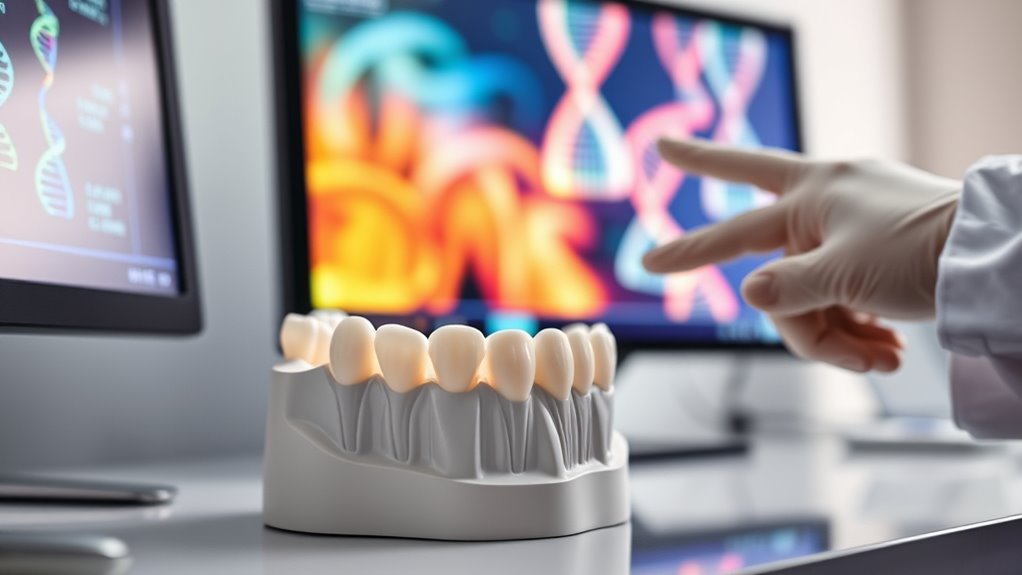
Have you ever wondered how your genetic makeup could influence your dental health and the coverage options available to you? Genetic testing offers answers by analyzing your unique DNA to identify specific genetic markers linked to dental health risks. These markers serve as biological clues that can predict your susceptibility to various oral health issues, such as cavities, gum disease, or even tooth loss. Understanding these genetic markers empowers you to take a proactive approach to your dental care, tailoring prevention and treatment strategies to your individual needs.
Discover how genetic testing reveals your dental health risks and helps personalize your care and coverage options.
When genetic testing uncovers certain dental health risks, it becomes a powerful tool for customizing your dental plan. For instance, if your genetic profile indicates a higher likelihood of periodontal disease, your dentist or insurance provider can recommend more frequent cleanings or targeted treatments before problems escalate. This personalized approach not only enhances your oral health but can also help you avoid costly procedures down the line. Insurance plans that incorporate genetic insights may offer coverage that aligns with your specific risks, covering preventive measures more thoroughly and reducing out-of-pocket expenses for treatments you might need later.
It’s important to recognize that genetic markers don’t determine your dental destiny—they simply reveal potential vulnerabilities. By understanding your genetic predispositions, you can adopt targeted habits, such as stricter oral hygiene routines or specific dietary adjustments, to mitigate those risks. Your dentist might also suggest early interventions or monitoring strategies based on your genetic profile, increasing the chances of catching issues early when they’re most treatable. This personalized approach often leads to better health outcomes and a more efficient use of your dental coverage.
Moreover, advances in genetic research continue to expand the possibilities for personalized dental care, making it an increasingly integral part of overall health management. Not all dental plans currently incorporate genetic testing, and privacy concerns can arise around sharing your genetic information. Before opting for a genetic test, ensure you understand how your data will be used and protected. If you decide to pursue testing, working with reputable providers and discussing your results with dental professionals can help you make informed decisions about your care and coverage options. As genetic research advances, expect more insurance plans to recognize the value of personalized data, potentially leading to more tailored and cost-effective dental coverage options.
In essence, understanding your genetic markers offers a new level of insight into your dental health risks. It allows you to take control of your oral health journey, making informed choices about prevention, treatment, and insurance coverage. Embracing this knowledge can ultimately lead to healthier teeth, gums, and a more personalized, efficient dental care experience.
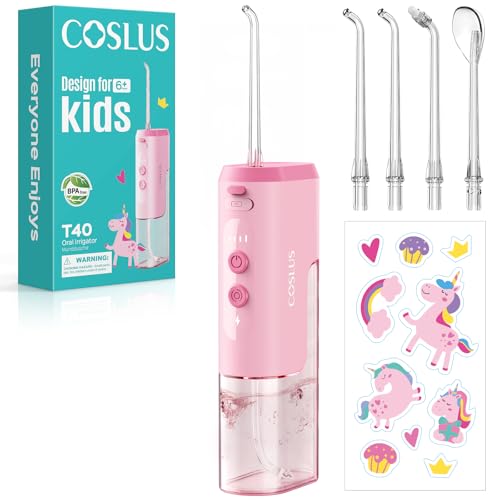
COSLUS T40 Portable Water Flosser for Kids: 4 Gentle Modes for Ages 6+, Braces & Sensitive Teeth - with Fun DIY Stickers, 4 Storable Nozzles, Mini Compact for Home School & Travel, BPA-Free, Pink
Compact & Lightweight, Designed for Small Hands: COSLUS T40 mini kids water flosser features an ergonomic, lightweight design...
As an affiliate, we earn on qualifying purchases.
Frequently Asked Questions
Can Genetic Testing Predict Future Dental Diseases Accurately?
Genetic testing can give you insights into your genetic predisposition for certain dental diseases, but it’s not always 100% accurate. While it helps identify potential risks, test accuracy varies depending on the specific genes analyzed and the technology used. Keep in mind, genetics is just one factor—your oral hygiene and lifestyle also play a vital role in preventing future dental issues. So, it’s a helpful tool, but not a crystal ball.
Is Genetic Testing Covered by Dental Insurance Plans?
Genetic testing isn’t usually covered by dental insurance plans, so you might face out-of-pocket costs. Insurance coverage varies, so it’s crucial to check with your provider to understand what’s included. Cost considerations are important, as genetic tests can be expensive. Some dental practices or health plans may offer discounts or packages, but generally, you should be prepared for additional expenses when opting for genetic testing for personalized dental care.
How Long Does It Take to Receive Genetic Testing Results?
Think of the testing process like baking a cake—your sample is the batter, and results are the finished product. Usually, it takes about 1 to 3 weeks to get genetic testing results. The sample timeline involves collecting your sample, sending it to a lab, and waiting for analysis. Once complete, your personalized dental plan can be tailored to your genetic makeup, helping you maintain healthier teeth and gums.
Are There Any Risks Associated With Genetic Testing for Dental Plans?
There are minimal risks with genetic testing for dental plans, but you should be aware of privacy concerns since your genetic information could potentially be accessed or shared without your consent. Testing accuracy is generally high, but no test is perfect, so results might not be 100% precise. Always choose reputable providers, ask about data security, and understand how your information will be used to protect yourself.
Can Genetic Testing Determine the Best Dental Treatments for Me?
Yes, genetic testing can help determine the best dental treatments for you by analyzing genetic markers associated with oral health. This information allows for dental customization, tailoring treatments to your unique genetic profile. You might discover susceptibility to cavities, gum disease, or other conditions, enabling your dentist to develop a personalized plan that effectively addresses your specific needs and improves your overall dental health.

GuruNanda Kids Water Dental Flosser - 4 Flossing Modes, 4 Nozzles, 2-Min Smart Timer, Ages 6+, Monster Frens Theme, Portable Oral Care for Kids
DESIGNED FOR KIDS 6+: Our water flosser for kids features 4 gentle flossing modes to help children build...
As an affiliate, we earn on qualifying purchases.
Conclusion
By understanding your genetics, you gain a personalized dental plan tailored to your unique needs. It’s like having a blueprint of your oral health, guiding prevention and treatment. Without this insight, you’re flying blind in a world of generic care, risking unnecessary treatments or overlooked issues. Embrace genetic testing to reveal precision, but remember, your genes are just one piece of the puzzle. Take charge today — your smile deserves that personalized touch.

COSLUS C50 Portable Water Flosser for Teeth: 4 Modes & 5 Intensity Levels Professional Electric Dental Pick for Sensitive Gums, Braces & Orthodontic - Cordless for Travel Use, BPA-Free
Product Upgrade Notice: To enhance charging efficiency, we are transitioning from USB to Type-C cables. Please note that...
As an affiliate, we earn on qualifying purchases.

BURST Kids Water Flosser (Dinosaur) | Cordless & Rechargeable Water Flosser for Teeth | 3 Gentle Pressure Modes | Silicone Safety Tip | Braces-Friendly | Fun, Kid-Safe Design | 155mL Water Tank
𝗙𝗨𝗡 & 𝗘𝗔𝗦𝗬 𝗙𝗟𝗢𝗦𝗦𝗜𝗡𝗚 𝗙𝗢𝗥 𝗞𝗜𝗗𝗦: Meet the BURST Kids Water Flosser, offered in playful Dinosaur and Unicorn...
As an affiliate, we earn on qualifying purchases.