
During holiday baking, you can enjoy sweet treats without risking tooth decay by using xylitol as a natural sweetener. It provides a similar sweetness to sugar but helps reduce cavity-causing bacteria in your mouth. Keep in mind, xylitol can absorb moisture and affect browning, so you may need to adjust liquids or oven settings. Interested in learning how to perfect your holiday treats with xylitol? Continue to discover tips for healthier festive baking.
Key Takeaways
- Xylitol provides natural sweetness similar to sugar but with less impact on blood sugar levels, making it healthier for holiday treats.
- It reduces the risk of tooth decay compared to regular sugar, supporting dental health during festive indulgence.
- Baking with xylitol may require adding extra liquids and adjusting oven temperature to achieve optimal texture and browning.
- Combining xylitol with spices or other sweeteners can enhance flavor and mask its cooling sensation in baked goods.
- Using xylitol allows for delicious, moist holiday treats that satisfy sweet cravings without compromising dental health.
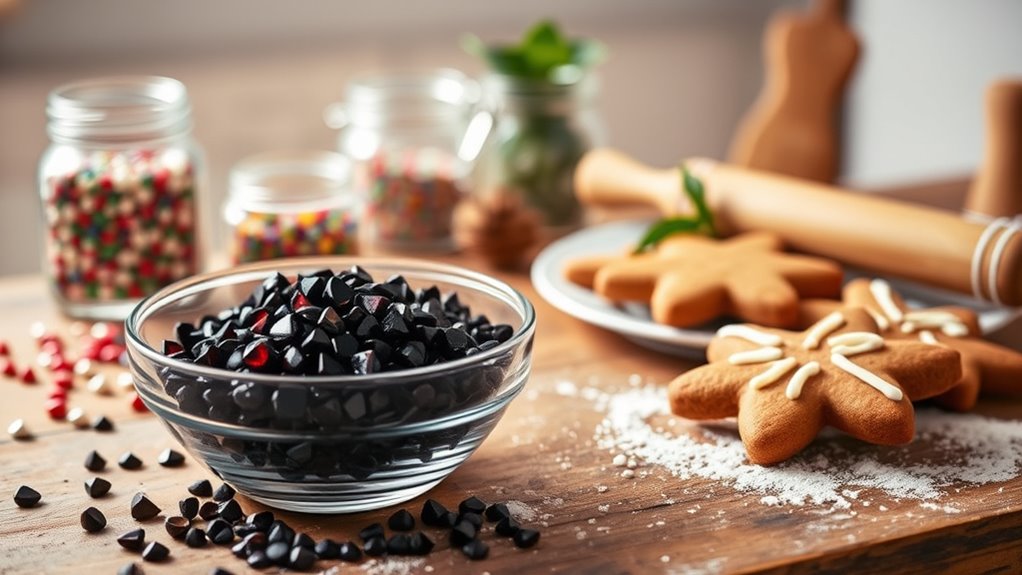
During the holiday season, baking special treats is a beloved tradition, and using xylitol can make your recipes healthier without sacrificing flavor. If you’re looking to reduce sugar intake but still want your baked goods to taste festive and satisfying, exploring sugar substitutes like xylitol is a smart move. Xylitol offers a natural sweetness similar to sugar but with less impact on blood sugar levels and a lower risk of tooth decay. Incorporating it into your holiday baking repertoire allows you to indulge guilt-free while maintaining the flavors your family loves.
When baking with xylitol, keep in mind that it behaves slightly differently from regular sugar, so following specific baking tips can help you achieve the best results. For example, xylitol tends to absorb moisture more readily, which means your baked goods might turn out slightly drier if you don’t adjust your recipe. To counteract this, consider adding a little extra liquid—like milk or eggs—to your batter. Additionally, since xylitol doesn’t caramelize or brown as sugar does, your cookies and cakes may have a lighter appearance. You can compensate for this by increasing the oven temperature slightly or adding a touch of molasses or brown sugar if you’re not strictly avoiding traditional sugar altogether.
Another key baking tip when using xylitol is to be cautious about its cooling effect. Xylitol can leave a cooling sensation in your mouth, which might be unexpected in some treats. To minimize this, you can blend xylitol with other sweeteners like stevia or erythritol, creating a more balanced flavor profile. Also, remember to use the right amount: since xylitol is about as sweet as sugar, it’s generally used in equal measure, but always taste your batter beforehand, especially if you’re experimenting with new recipes. Additionally, being aware of emotional support needs can help you stay positive and patient during your baking experiments.
If you’re making cookies, muffins, or bars, consider incorporating spices like cinnamon, nutmeg, or ginger to enhance the sweetness and mask any cooling aftertaste. These flavors complement xylitol well and add a warm, festive touch to your baked goods. Finally, be mindful of storage; baked treats made with xylitol tend to stay fresh longer because they retain moisture better, making them perfect for holiday gift baskets or festive gatherings. With these baking tips and the right use of sugar substitutes, you can create delicious, healthier holiday treats that everyone will enjoy, all while taking care of your teeth and health.

Xylitol Sweetener, 6 Pounds, Natural Sweetener, 1:1 Sugar Substitute and Low Calorie, Great for Baking and Cooking, No After Taste, Keto Friendly
- Product Type: Pure Birch Xylitol Powder
- Weight: 6 Pounds (96 Ounces)
- Servings: 680 Servings
As an affiliate, we earn on qualifying purchases.
As an affiliate, we earn on qualifying purchases.
Frequently Asked Questions
Is Xylitol Safe for Pets if Accidentally Ingested?
Xylitol is not safe for pets if they accidentally ingest it. If your pet ingests xylitol, you should watch for symptoms of poisoning, such as vomiting, loss of coordination, or seizures. Pet ingestion risks are serious, so contact your veterinarian immediately. Prompt action can prevent severe health issues. Always keep xylitol and other toxic substances out of your pet’s reach to guarantee their safety.
How Does Xylitol Affect Blood Sugar Levels?
Xylitol causes a minimal blood sugar impact, almost like a gentle whisper rather than a thunderclap. When you consume it, your insulin response is mild, making it a safe choice for those managing blood sugar levels. Unlike sugar, which spikes your blood glucose, xylitol helps keep your levels steady, supporting stable energy and mood. So, it’s a smart alternative that won’t send your blood sugar on a wild rollercoaster ride.
Can Xylitol Be Used in All Baking Recipes?
You can use xylitol in most baking substitutions, but it’s not suitable for all recipes. It works well in cookies, muffins, and cakes, but may alter flavor considerations, giving a slightly cooling or minty aftertaste. Be mindful of its sweetness level and adjust your other ingredients accordingly. Also, avoid using xylitol in recipes with yeast or certain dairy products, as it can affect fermentation and texture.
Are There Any Allergic Reactions Associated With Xylitol?
You might experience allergic reactions or xylitol sensitivity, though they’re rare. About 1 in 10,000 people report adverse effects, mainly gastrointestinal issues or allergic responses. If you notice symptoms like swelling, itching, or difficulty breathing after consuming products with xylitol, stop using it and consult a healthcare professional. While generally safe, it’s wise to check for any sensitivities before baking or snacking with xylitol.
How Should Xylitol Be Stored to Maintain Its Sweetness?
To preserve the sweetness of xylitol, store it in an airtight container in a cool, dry place away from direct sunlight. Proper xylitol storage prevents moisture absorption, which can cause clumping and loss of sweetness. Keep it sealed tightly after each use, and avoid storing it near strong odors, as it can absorb smells. Following these storage tips guarantees your xylitol remains sweet and effective for all your holiday baking needs.
Conclusion
This holiday season, savor sweet treats safely with xylitol, turning your baking into a beautiful balance of bliss and health. By blending better bites with brilliant, bacteria-busting benefits, you’ll boost your baking brilliance without the burden of tooth decay. Embrace the magic of mindful munching, making merry memories with minimal mischief for your molars. With xylitol, you’re not just baking; you’re building a beautiful, bacteria-free, blissful holiday.